🚧 Site currently under maintenance - Purchase on Amazon now! 🚧Shop

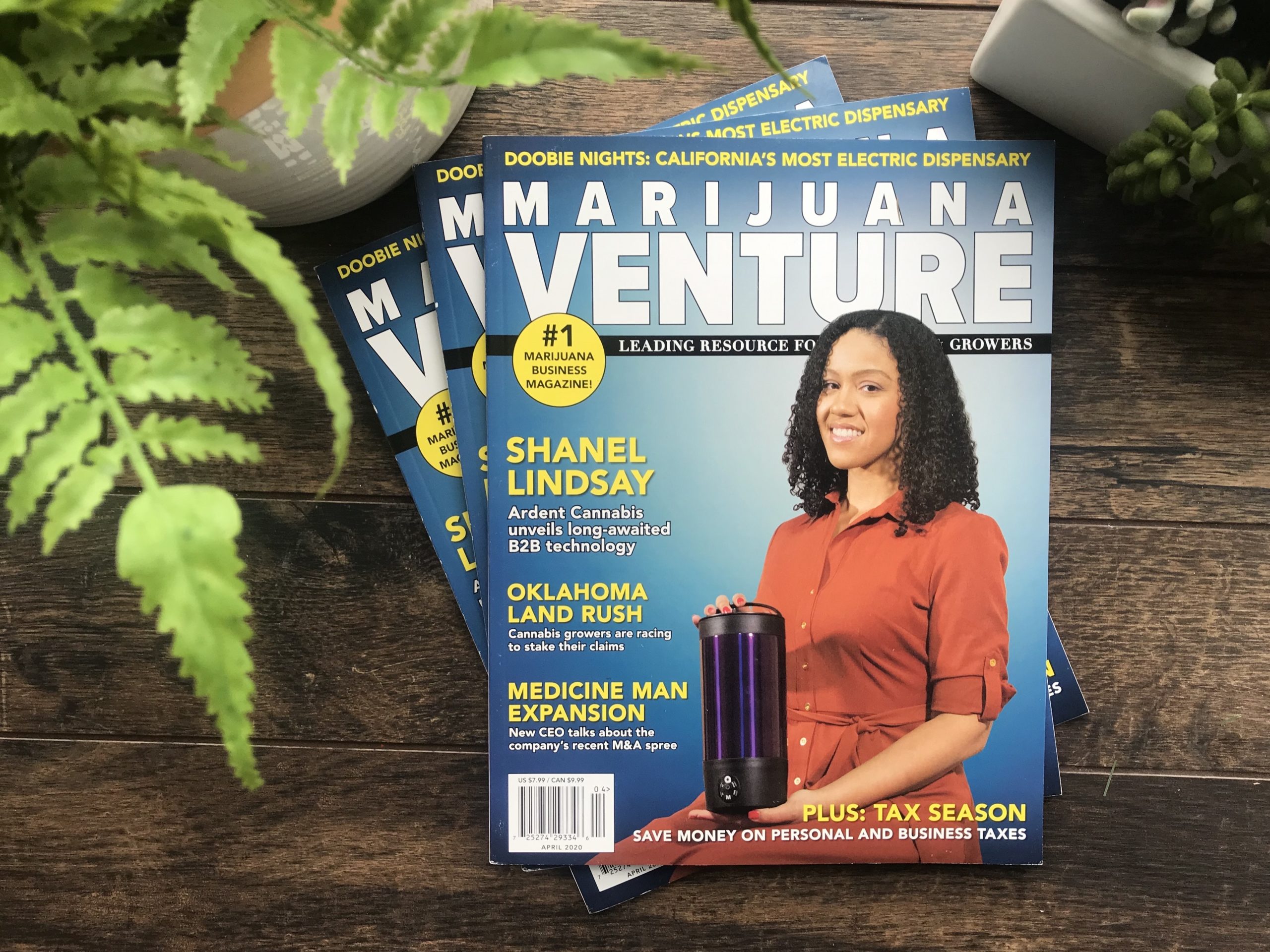
Marijuana Venture Cover Story: Super-NOVA

Ardent Cannabis founder Shanel Lindsay looks back on four years of success, while looking ahead at the company’s new commercial offering

There have been times that Shanel Lindsay has been “green with envy” seeing other cannabis-focused companies raise millions of dollars in venture capital.The founder and president of Ardent Cannabis kept a watchful eye as companies with flashy marketing plans and experience-laden executive teams successfully landed seven-figure investments without so much as a proof of concept. Companies would boast about their proprietary technology and their groundbreaking design, using phrases like “the future of cannabis” and making frequent comparisons to mainstream counterparts.

But Lindsay never allowed the competition to derail Ardent’s mission. Being passed over by investors forced the tiny startup to be resourceful — “scrappy and resilient” as Lindsay puts it — and to grow organically. Looking back, she says it forced her to build a really strong company.

Lindsay, who is also a lawyer, raised investment capital — about $600,000 spread out over a couple years to get the company up and running — and focused her energy on business fundamentals, developing a quality device and growing a customer base without overspending.

“We never have enough money to do all the marketing things we want to do. What that did was make us really look and see what’s working and double down on those things,” she says. “We don’t really have the time to be silly with our money, so to speak.”

And while many of those fundraising superstars never brought their product to market or the venture ultimately fizzled out when lavish sales projections failed to materialize, Ardent has proven to be somewhat of an anomaly in the current landscape — a cannabis tech company that is actually profitable.
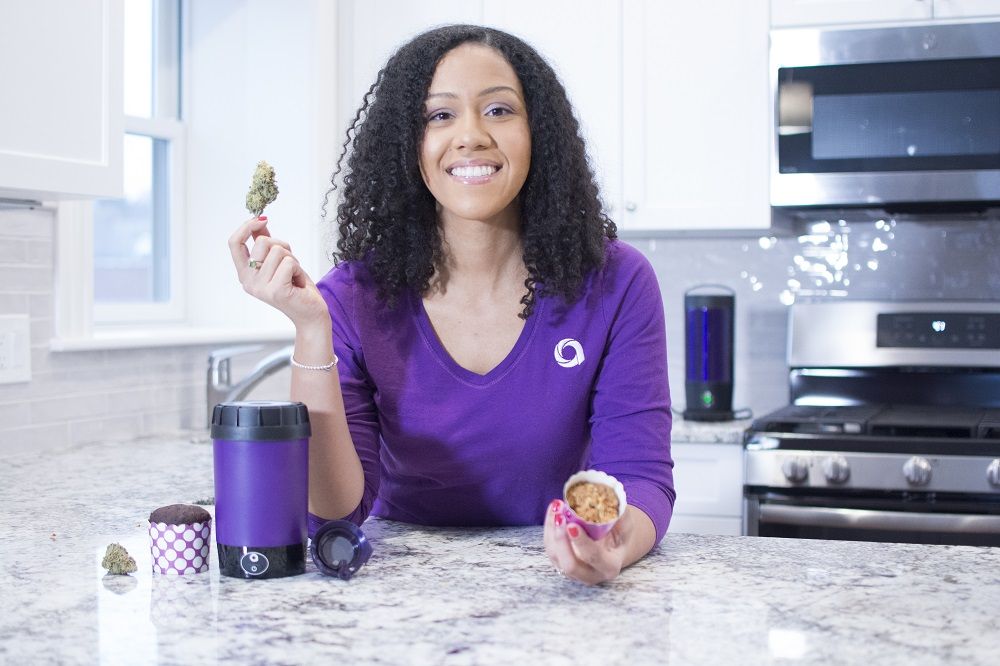
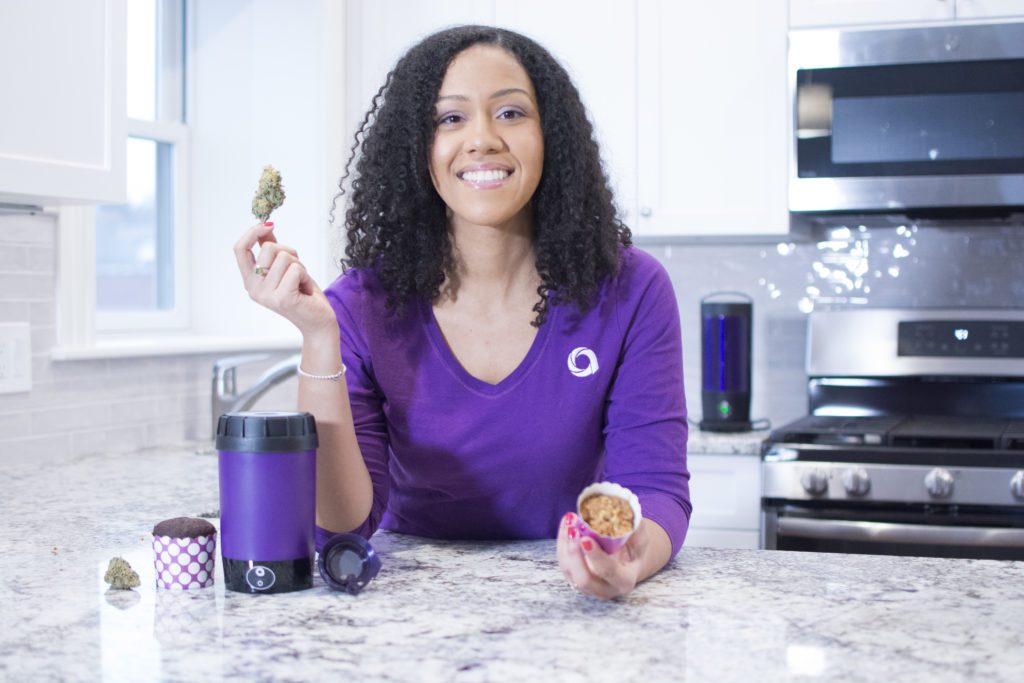
Shanel Lindsay, the founder and president of Ardent Cannabis, stands next to the company’s new commercial decarboxylator, the Indy (a play on the words  industrial” and “independent”). Photo by Sarah Hinzman.

Weathering the Storm

Since the 2016 launch of its NOVA decarboxylator, Ardent Cannabis has generated more than $7 million in sales, growing annual revenue from $350,000 in year one to $3.3 million in 2019. Although the Massachusetts-based company lost $50,000 in its first year, it has turned a profit every year since. It completed a $500,000 capital raise in 2018 to aid its growth and expansion, bringing the total amount raised to $1.1 million. The company has increased revenue every year, including 2019, when it went through a number of challenges related to its e-commerce platform and invested heavily in the development of its first industrial decarboxylator and a larger consumer device, the FX.

“We’ve weathered the storm,” Lindsay says. “It’s almost unheard of — a profitable company that’s continuing to grow — and we really haven’t had the challenges that a lot of other cannabis companies are having right now.”

While the NOVA is designed for personal use, the new Indy is aimed at the commercial market, with a capacity to decarboxylate five pounds of cannabis per batch. Both machines are essentially precision ovens designed specifically for “a very gentle, but persistent heating cycle.” Decarboxylation is the process of “activating” the cannabinoids in flower, kief or concentrates, turning the non-psychoactive THCA into THC.

The NOVA and Indy operate on the same principle, but the mechanics of the NOVA had to be completely re-engineered to work on an industrial scale. The Indy requires more moving parts to replicate the even heating needed for proper decarboxylation. Lindsay says cannabis producers have long been asking for a commercial-scale version of the popular NOVA, and she expects the Indy to hit the market this spring.

“A lot of dispensaries and cultivators are white-labeling products because they don’t know how to make them, but if they had an easy way to decarb and infuse on a commercial scale, they could be more independent,” she says.

Ardent Cannabis sells the NOVA direct to consumers through the company’s website, as well as selling the devices on Amazon through a partner company and wholesale through distributors into vape shops, dispensaries, smoke shops, natural health and wellness stores, CBD retailers and specialty stores.

After doubling its revenue from $1.4 million in 2017 to $2.8 million 2018, Ardent’s revenue plateaued in 2019 after hiring a company to update its website, wrecking the SEO it had developed.

“Overnight, we went from 70,000 visitors a month to about 20,000,” she says. “You can imagine how much that impacted us as an e-commerce company.”

Although Ardent still achieved a company-record $3.3 million in revenue in 2019, the lesson Lindsay learned in the website snafu — and one of the biggest things she would have done differently in hindsight — was that she needed to build out the Ardent team faster.

“As a CEO, what that showed me was that we didn’t have enough hands on deck,” she says. “I think entrepreneurs have a tendency to hold everything in and try to do everything perfectly. I think last year, particularly, there were some strategic moves that maybe I was scared to make after being skittish from some bad experiences.”

Now, with its new products ready for market, including a suite of accessories and culinary kits for the NOVA, Ardent Cannabis is poised for another growth year and is opening a capital raise of about $2 million.
Building a Better Market

In addition to the ups and downs of running her own company, Lindsay has been active in politics, having helped write Question 4, which legalized adult-used cannabis in Massachusetts in 2016, and serving on the state’s Cannabis Advisory Board.

“In Massachusetts, we’ve had a lot of wins and we’ve had a lot of losses,” she says.

Passing the adult-use legalization measure was a monumental step toward progress, Lindsay says, as it not only improved upon a medical program that was “completely stacked toward corporate interests” but also implemented, at least on paper, the nation’s most progressive social equity program to aid the communities most harmed by prohibition.

Lindsay believes Massachusetts “ignited the legalization conversation on the East Coast.”

But the rollout has been “glacial,” she says. Even three years after voters approved the measure with 53.7% in favor, there are a relatively limited number of companies licensed and operating. There’s been a backlash against legalization, including a “not-in-my-backyard” approach from many municipalities. There’s also been corruption, a federal investigation and a mayor who was arrested and charged with bribery over the issuance of community host agreements that are required by the state for licensing.

“That’s kind of a black eye, right?”

To some degree, trials and tribulations were to be expected as Massachusetts took the lead role in being one of the first states east of the Rockies to legalize recreational cannabis.

“I think the states around us are better for that, and the movement in general has learned a lot from these different things we’ve tried,” Lindsay says.

Educating the Market

To this day, Lindsay and her colleagues spend a lot of time focusing on science and data, working with a lab to get test results and explaining to consumers the ins and outs of decarboxylation, which is not widely understood by most cannabis consumers or even people within the industry (“Yes, you have been doing it wrong all these years,” Lindsay would explain).

She started using cannabis as a medicine in college to treat an ovarian cyst, fearing that pharmaceutical painkillers like high doses of acetaminophen would destroy her liver. She was in her early 20s at the time, trying to maintain a healthy lifestyle and frustrated to be constantly guessing about dosages and formulations.

Ultimately, Lindsay’s pursuit of better homemade cannabis products led her to develop the NOVA, putting Ardent on the map and giving consumers an alternative to the old methods of mixing a bunch of flower with butter and oil. She sees the NOVA not as a replacement for products from dispensaries, but a complement.

“As amazing as dispensaries are, there are definitely limitations on what people can access,” Lindsay says, pointing out limitations on product selection, potency and even cost. “We can provide that bridge and the technology for people to fulfill all of their dreams when it comes down to cannabis.”

Get your own FX or Nova in time for 4/20 with our exclusive deal!

See the original article in Marijuana Venture Magazine here.
How to Decarb Weed (Sous Vide, Mason Jar, Toaster Oven, Oil & More)

Decarboxylation, despite being a process surrounded by misinformation and myths, is an integral process involved with cannabis consumption of any kind.

To put it simply–the science behind decarbing is just a function of time and temperature. Heat the material, let it “cook” for a specific amount of time, and your raw cannabis is transformed from simple plant material into a potent ingredient or treatment for your favorite consumption methods. Decarbed cannabis can be used to make dispensary grade topicals, smokable herbs, tinctures, gummies, brownies, smoothies, cooking oils like olive oil or coconut oil, cannabutter, and more.

Though partial decarboxylation can occur when simply allowing the raw plant material to dry, the results are minimal and provide a lackluster experience compared to any modern decarboxylation process. The quickest, easiest method of decarboxylation is smoking or vaporizing, which makes cannabinoids instantly available for absorption through inhalation.

Despite their popularity, the most simple methods aren’t as efficient as they could be and–while better than simply drying–result in a waste of raw cannabis, as well as the potential THC and CBD availability. This has led to the development of several different decarboxylation methods which we’ll share with you, as well as our own which we are proud to include… the Ardent FX decarboxylator.

Here’s How to Decarb Weed (6 Decarboxylation Methods)

1. Oven Decarboxylation

The oven decarboxylation method is among one of the most common household decarboxylation processes because it only requires basic tools usually found in most homes.

What do you need

  • An oven
  • Baking sheet
  • Parchment paper
  • Spice grinder

How to

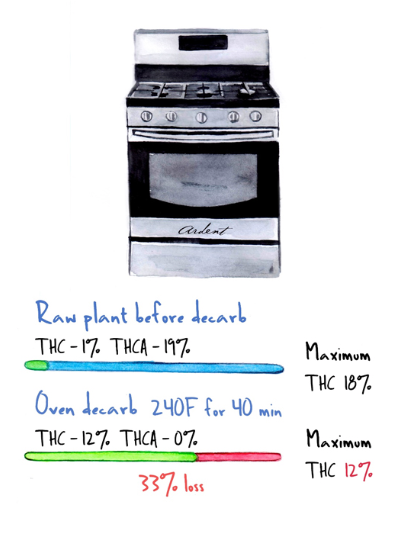
Pre-heat your oven to 240 degrees Fahrenheit. Put a sheet of parchment paper over your baking sheet, and loosely grind your cannabis over top. Place your baking sheet on the middle rack of the oven and remove it after 40 minutes.

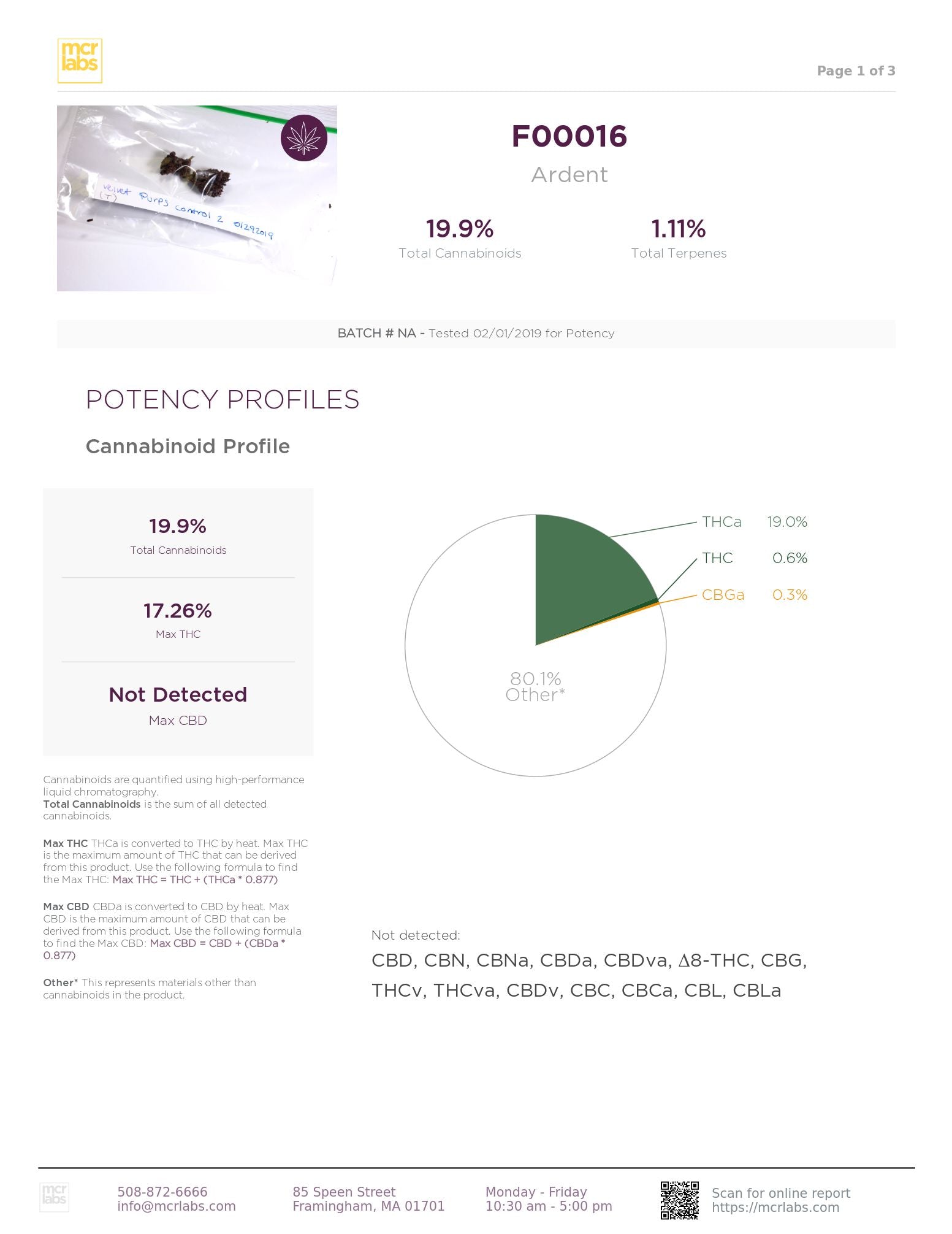
Our research with MCR Labs shows that when decarbing flower with a max potential of 18.1% THC in the oven, the max potential for conversion is 15.3%. The oven method is an effective way to convert tetrahydrocannabinolic acid (THCa) and cannabidiolic acid (CBDa) into activated, bio-available THC and CBD, but either fails to fully activate all of the cannabinoids in your plant material, or burns some off due to the fluctuation and variability of oven temperatures. You may experience strong aromas through your decarboxylation process while using the oven method, so this method isn’t advisable for those who need to be discreet.

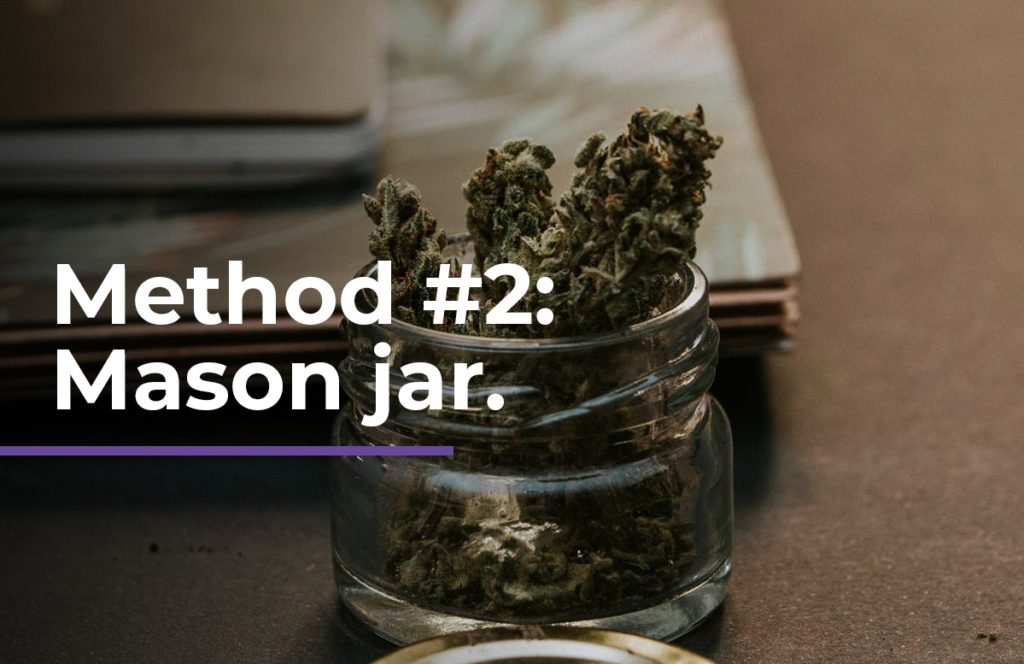
2. Mason Jar Decarboxylation

Mason jar decarboxylation is a convenient and discreet decarboxylation method, although it takes an extra watchful eye, since it’s performed using an open flame, and uses glass, which can be sensitive to temperature changes, making it potentially dangerous if you’re not careful.

What do you need?

  • Mason jar
  • A pot
  • Water

How to

Roughly grind your plant material and place it inside your mason jar before tightly sealing. Fill up your pot with water about halfway, place the jar inside, and heat on your stovetop at low/medium heat. If the jar is placed in the pot when the water is too hot, the jar runs the risk of cracking or exploding. Let the jar and water simmer in the pot for about 90 minutes, being sure that the water doesn’t evaporate throughout the decarbing process.

This is a very effective method for those who need a discreet decarb process, as the smell is generally contained within the air-tight mason jar. The mason jar method isn’t the most precise decarb method, since the temperature under an open flame has many variables. You can use an oven thermometer to make sure the temperature remains consistent. The temperature will never go above 220 degrees Fahrenheit – that of boiling water.

3. Sous Vide Decarb

The sous vide decarb method uses water and controlled heat to decarb weed. When using the sous vide decarboxylation method you preserve terpenes and maximize flavor in your end result product.

What do you need?

  • A Sous Vide machine, otherwise known as an immersion circulator
  • A large pot/tub to use with your machine
  • A vacuum sealer or freezer bag with a sealable zipper

How to

When using the sous vide method, you’re able to decarb cannabis in a water bath. Fill your tub with warm tap water, place your immersion circulator inside, and set it to 203 degrees Fahrenheit. Place your ground cannabis in a vacuum sealed bag, and leave it in the water bath with the immersion circulator for 90 minutes. Remove the vacuum sealed bag, and let it cool for 15-20 minutes.

Since your plant material remains in an air-tight container throughout the decarboxylation process, you also experience very few invasive cannabis aromas, and prevent the evaporation of cannabinoids, just like with the mason jar method.

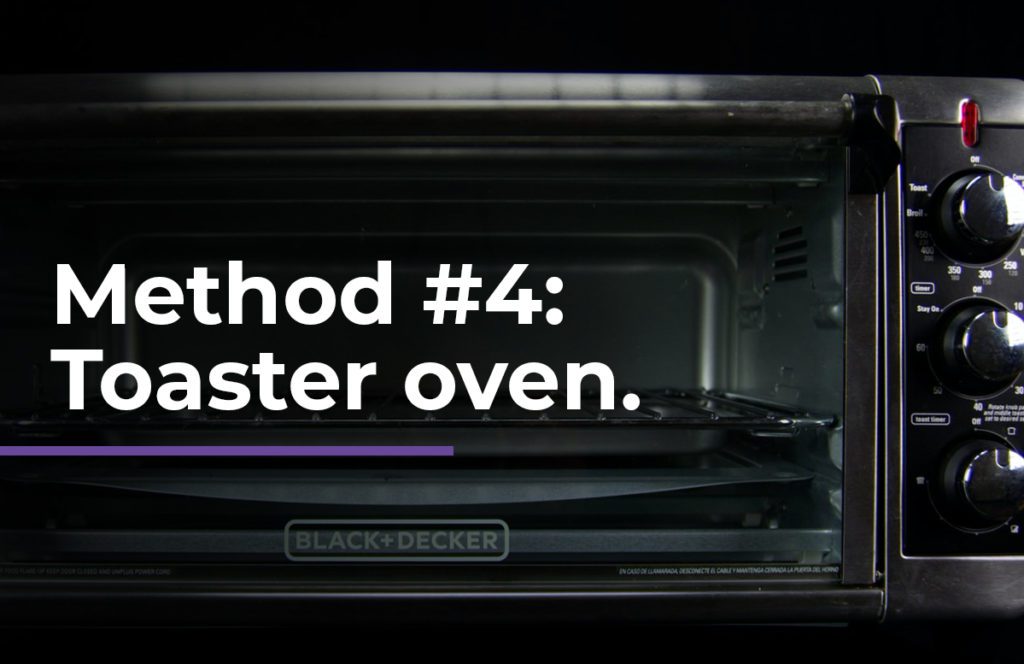
4. Toaster Oven Decarb

Toaster oven decarb is possible too!

What do you need?

  • Baking tray/aluminum foil
  • Parchment paper

How to

Set your toaster oven to 220 degrees Fahrenheit, and place your ground up plant material on a baking tray or aluminum foil in the oven for 60 minutes. Through our research with MCR Labs, we found that with cannabis flower that started with a max potential of 18.1% THC, the toaster oven method provided a max potential of 12.2% activation. A significant loss. This decarb method can also bring cannabis aromas throughout your home.

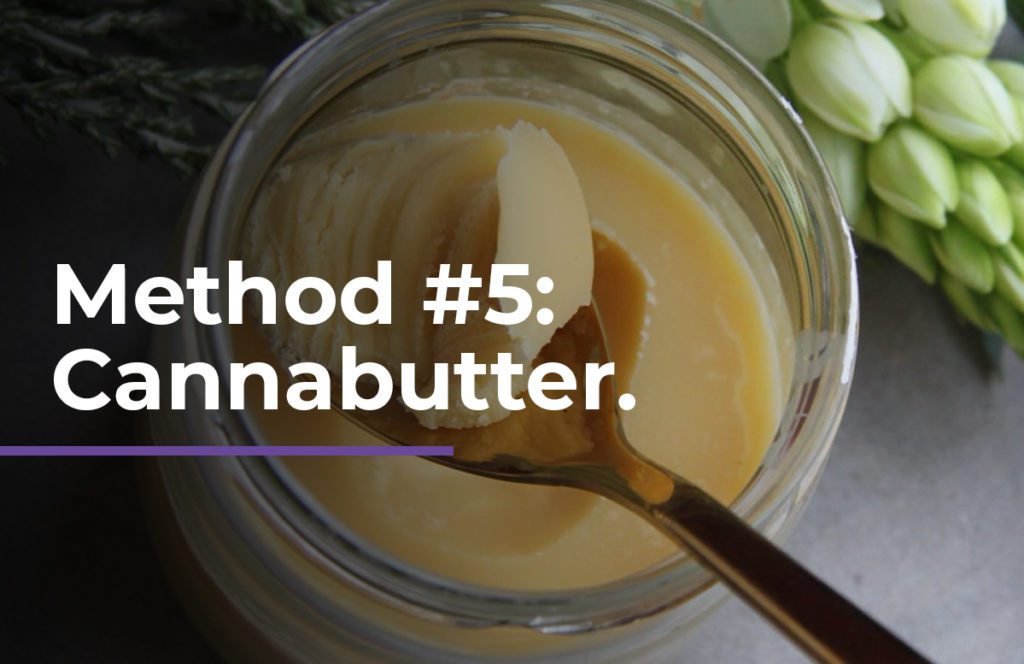
5. Making Cannabis Butter

Once you have your decarboxylated cannabis in hand, you can easily make cannabutter using very few materials.

What do you need?

  • Butter
  • Decarbed cannabis
  • Ardent Nova decarboxylator or saucepan
  • Water (if using saucepan method)
  • Cheesecloth or Ardent Frainer

How to 

Add one cup of water and one cup of butter to your saucepan and simmer on low. Add finely ground cannabis to your mixture and let it simmer for 2-3 hours, at a temperature between 160-200 degrees Fahrenheit, adding water over time to prevent the butter from burning. Another method allows you to simply put the infusion sleeve inside the Ardent Nova, add your decarbed plant material, add your butter, and run the Nova for one additional cycle.

Strain out your plant material by using a cheese cloth or the Ardent Frainer, and refrigerate your mixture, removing any settled water once its cooled.

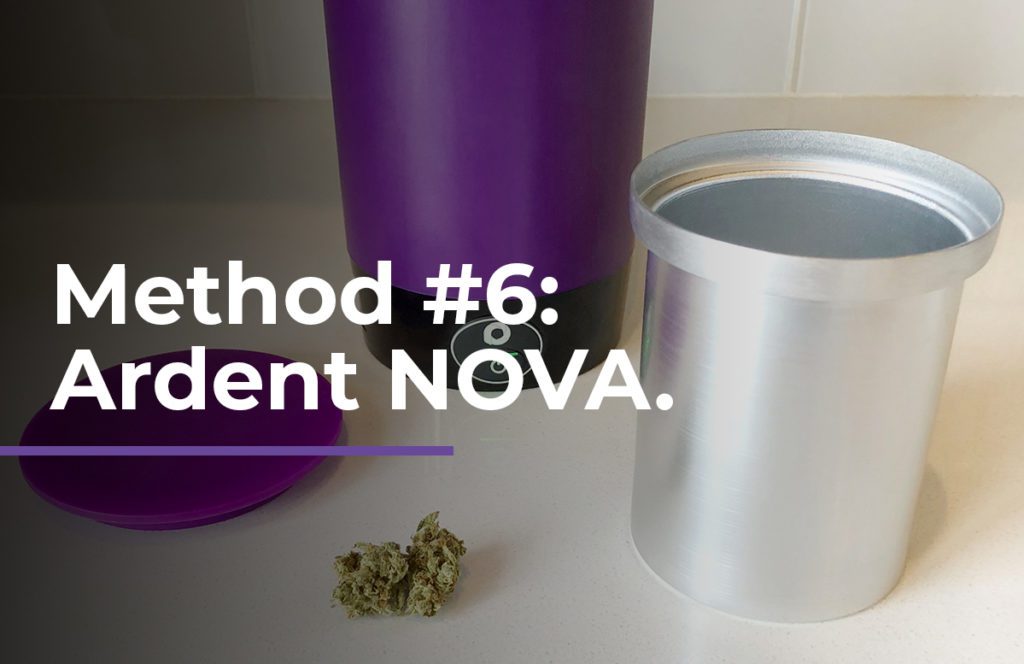
6. Using Ardent Nova ***

The Ardent Nova is a precision decarboxylator, maximizing the potential of your plant material by delivering full (>97%) decarboxylation during each cycle, with the simple press of a button.

What do you need?

  • The Ardent Nova
  • (optional) MCT, olive, or coconut oil to infuse with

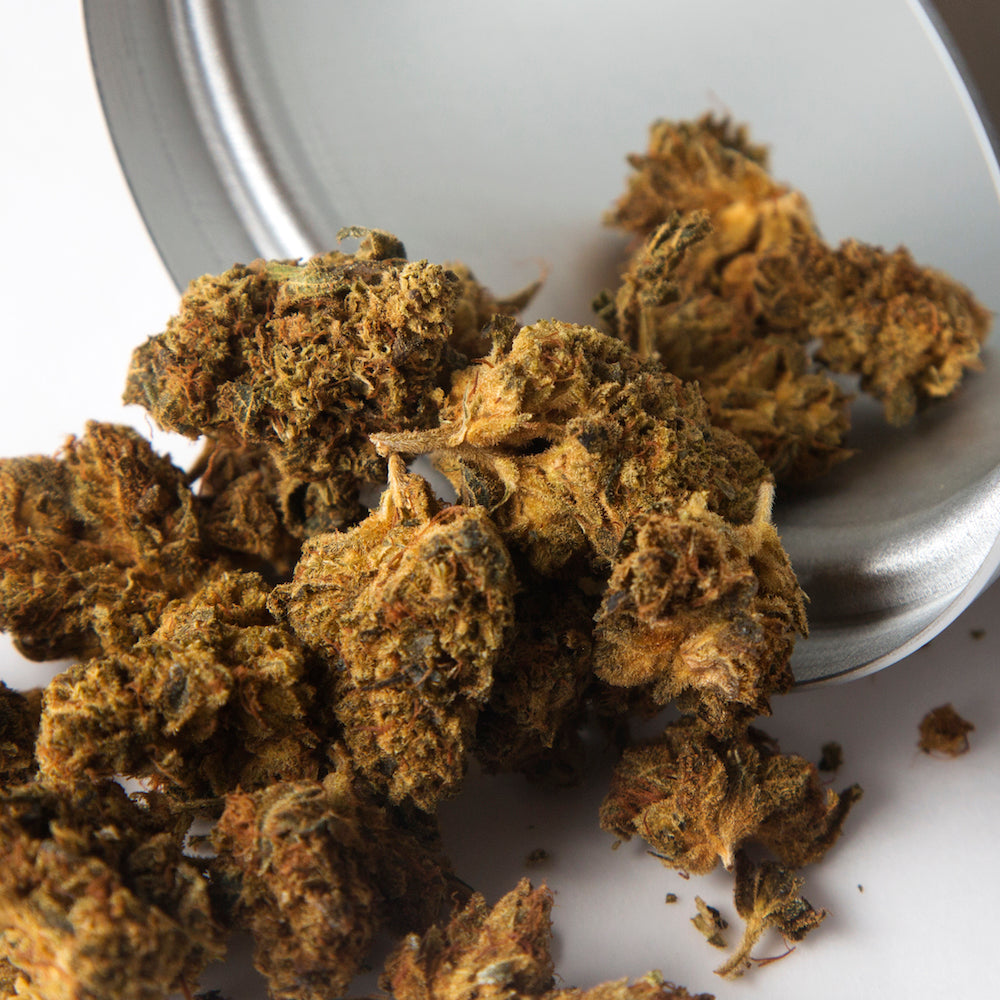
Our research with MCR Labs showed that with a max potential of 18.1% THC in our flower, the Nova provided a max activation potential of 17.9%. Your plant material comes out of the Nova with a golden brown hue after a period of time ranging from 90 to 120 minutes, depending on the density and quantity of your materials. No need to set dials or monitor settings, since the Nova is a one button system that turns from red to green when each cycle is complete, and automatically turns off.

What is a decarboxylator? Well, in terms of the Nova, it’s easily the most simple process there is to decarb weed since there’s no close monitoring or switching between lower temperatures and high temperatures required. You can easily decarboxylate cannabis flower, concentrates, kief, and other plant materials in the Nova, allowing you to make your anti-inflammatory cannabis edibles right at home.

What is the Best Decarboxylation Method?

There are many ways to decarboxylate cannabis at home, but the best decarboxylation method is to use the Ardent Nova. With more than 97% activation it’s the most cost effective and simple way to make dispensary grade marijuana medicine with Max THC activation without unreliable baking methods.

FAQs on How to Decarboxylate Weed

Does decarboxylation smell?

It can, depending on which method is used. The least invasive methods are the mason jar, sous vide, and Ardent Nova decarboxylator methods.

How long does it take to decarboxylate the cannabis?

Each method varies, meaning a full decarboxylation can occur in a window anywhere between 40 minutes and two hours.

What can you do with decarboxylated weed?

The possibilities are endless. Decaboxylated cannabis can be used to make tinctures, edibles, and topicals of any kind. It can also be smoked. We’ve created a quick list of ideas for you here.

23 Best Ways to Smoke Weed (How & What You can Use)

There are a ton of different ways to consume weed that you may not have heard of, but today let’s take a look at smoking. What can you use to smoke weed? We’ll tell you, here are 23 different ways to smoke weed that you may not be familiar with.

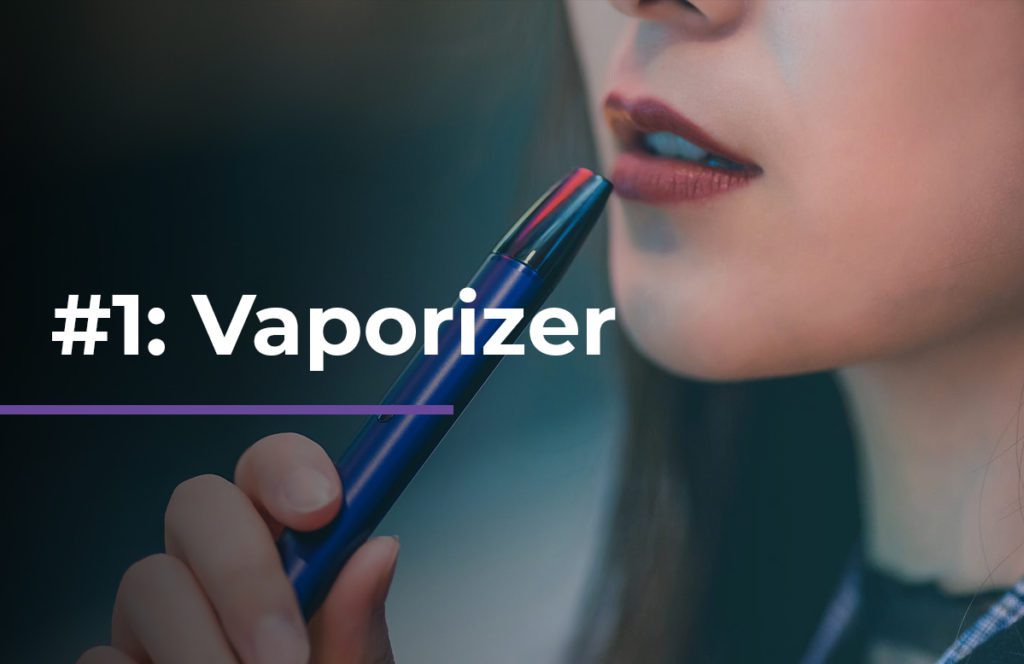
1. Vaporizer (Likely the Healthiest Way to Smoke Weed)

Today, dry vaping is thought of as one of the healthiest ways to smoke weed. You can try a portable herb vaporizer or you can use the tabletop versions which include inhaling a vapor filled plastic bag, allowing you to inhale at your own pace. Keep your devices clean with pipe cleaners and rubbing alcohol. Like vaping but looking for increased potency? Decarb the cannabis then vape at a low temperature to keep the flavors crisp.

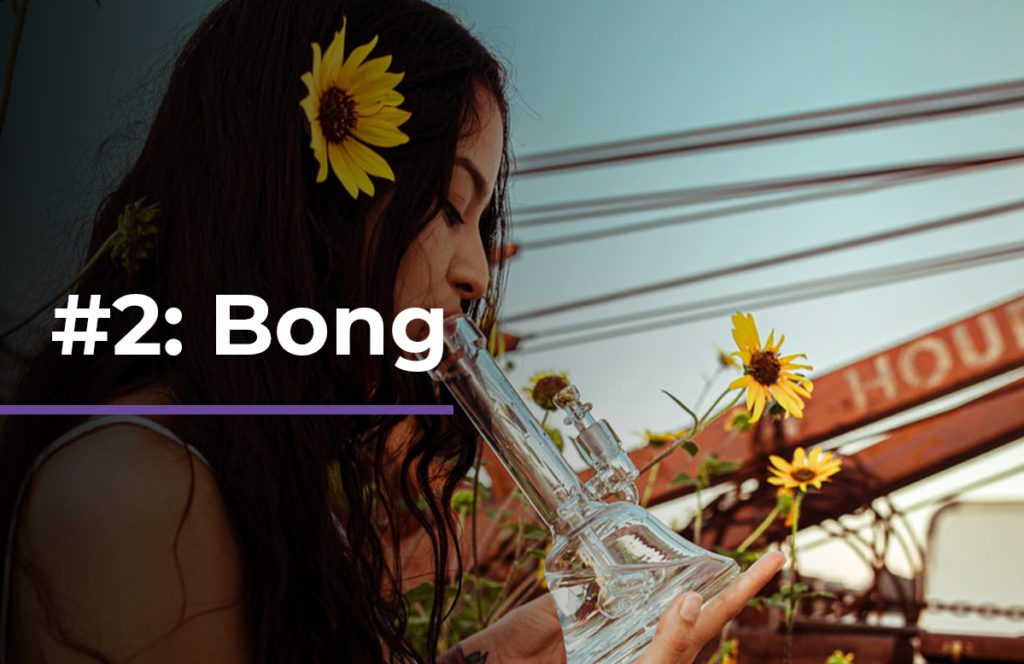
2. Bong

Bongs are a type of water pipe that can be made out of glass, plastic, ceramic, silicone, and more. Grind up your cannabis plant material. Add water to your bong and pack a few pinches of cannabis evenly in the bowl. Light it, and slowly start milking it, before clearing the whole chamber. Bong’s are great for high potency smoking but may be too much for beginners.

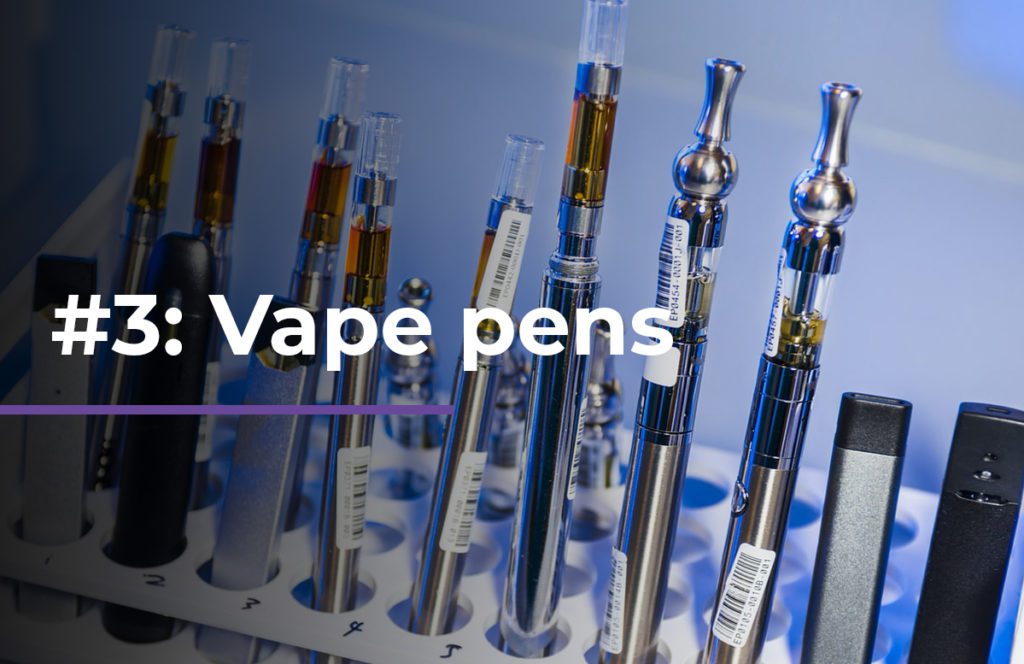
3. Vaporizer Pens

There are many vape pen options, making vaporizing weed or concentrates ultra convenient. First, charge the battery portion in full. Then, depending on the unit, either add your plant material or concentrate, and get stoned. Some pens may be able to do flower or concentrates while some come with attachments that allow you to go seamlessly back and forth between the two.

4. Joint

You can roll a joint or spliff with rolling papers, some hemp CBD flower or regular THC flower, and a filter (sometimes called a crutch). Grind your weed and place the filter on the right or left side of the rolling paper with the glue facing you. Place your bud from the filter to the end, and start tucking and rolling your paper. When you get close to the top, lick the glue and seal the joint. Pinch and roll the top before lighting. If you find this process a bit too challenging, you can purchase pre-rolled cones, and stuff them with ground cannabis instead.

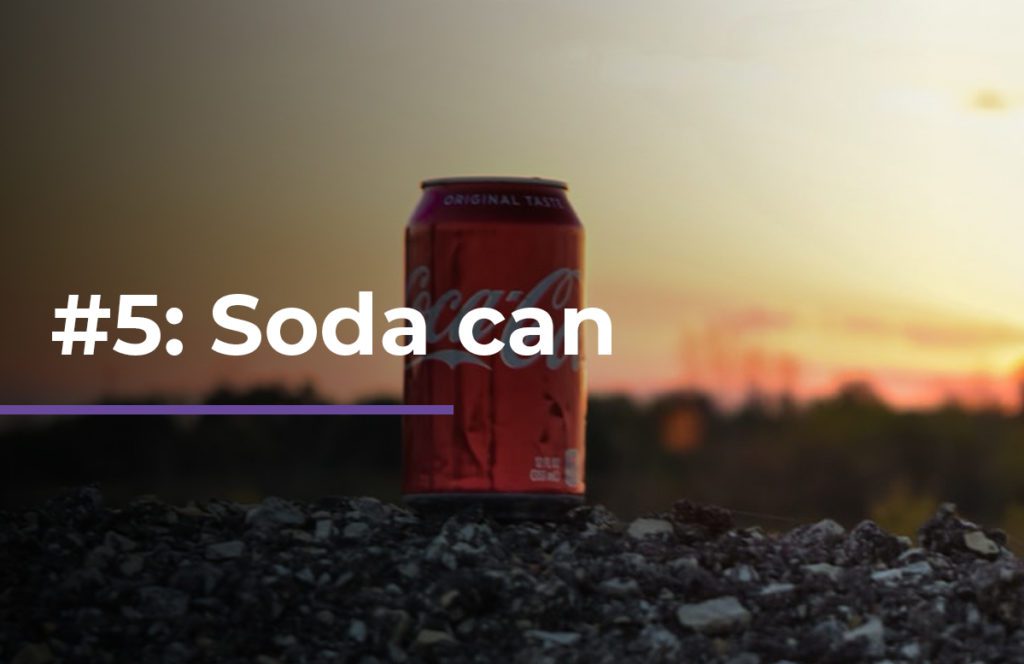
5. Soda Can

The soda can, like the apple pipe, is sometimes one of the first smoking devices utilized by new smokers, because you can find the materials in practically every home, and they cost next to nothing. First, flatten the can a bit, and remove the pop tab from the mouthpiece. Using a screwdriver, make a hole in the side of the can, which will act as the carb. Then, using a pin, poke a series of small holes close together in the top of the can, place your cannabis on top of those holes, light it, and inhale through the mouthpiece. The soda can is a discreet smoking method because it be disposed of after use; however, the inside of the can is lined with a coating that can contain dangerous carcinogens, which should not be inhaled. Maybe stick to the apple method, next time, just to be safe.

6. Gravity Bong

The gravity bong is a DIY favorite. This water bong can be created using a 2 liter plastic bottle and a large bucket. Simply cut the bottom off of the 2 liter bottle and fill the bucket with water. Then, put a glass bowl piece, or a piece of aluminum foil with some holes in it, on the mouthpiece portion of the bottle. Submerge the bottom of the 2 liter in the bucket, leaving the mouthpiece in the air, and pack and light the bowl. As it’s being lit, begin to slowly lift the bottle from the water, remove the bowl/foil, and place your mouth over it. Begin to inhale while slowly submerging the bottle back into the bucket.

7. Tinfoil

It’s possible to make a bowl out of tin foil, though it isn’t particularly healthy to use. In emergency situations, fold a square of tinfoil in half twice. Roll the 4-layer aluminum foil into a cone shape, and crease the side opposite your mouthpiece about an inch from the end. Fold it upwards and shape it into a bowl. Add a screen as a filter, or simply pack your cannabis in the bowl and puff away. Dispose of after use.

8. Bubbler

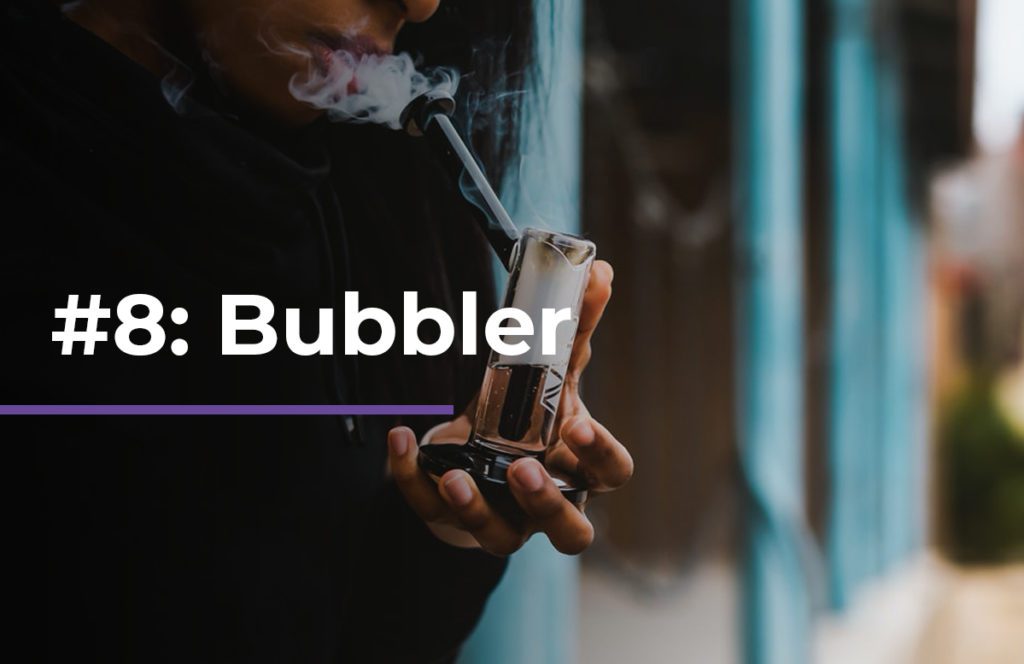
Bubblers use water and a percolator system to create clean hits, basically, like a mini sized bong and bowl combo. Fill the bubbler with a bit of cold water, cover the carb, and enjoy smooth pulls. There are even bubblers smaller in size, designed to filter joints, making the hits even richer.

9. Blunt

When it comes to blunts, you’ve got options. The easiest to roll is a blunt wrap, which you can find in most smoke shops, along with their popular, harder-to-roll counterparts. Depending on your material of choice, you must first either crack the cigar down the center, or unroll it. Then, carefully run it under water for a few seconds, pat dry with a paper towel, and roll, licking it sealed. For those who want to stay away from tobacco there are numerous hemp blunt wraps that keep nicotine completely out of the picture.

10. One Hitter

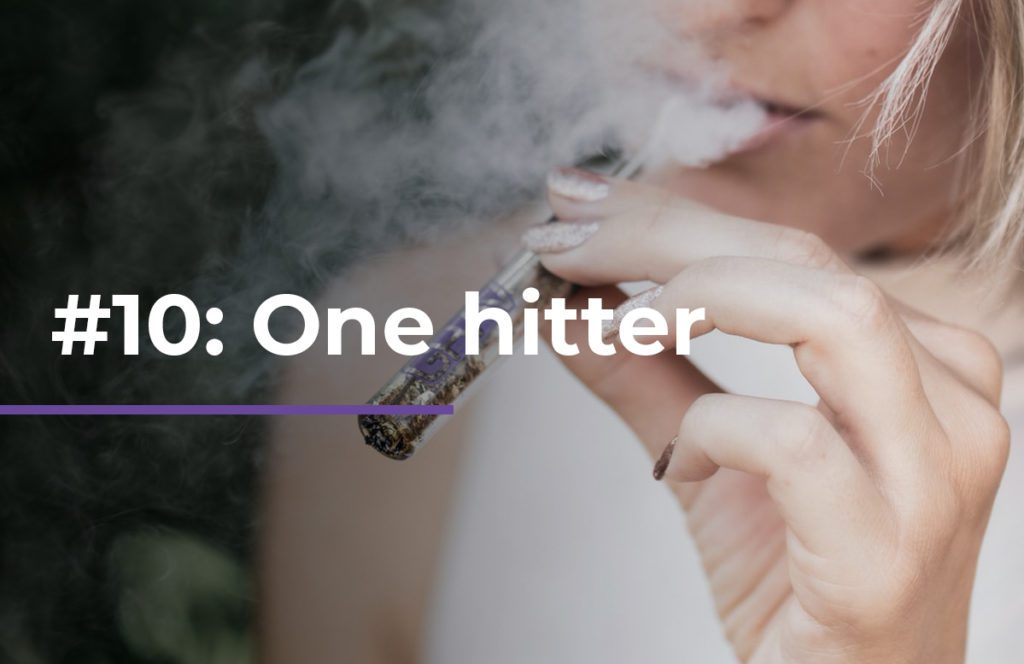
The one hitter is a perfect tool for those who only need a hit or two before going about their active lives. It’s a small pipe that can be quickly packed with a pinch of bud, lit, and emptied. Go extra incognito with a one hitter with a subtle orange bit on the end, designed to look just like a cigarette, for your discreet, on-the-go needs.

11. Chalice

A chalice is a water pipe commonly used in the Rastafarian religion. The pipe is usually made out of a coconut or other natural container, and is used spiritually to reflect on important issues surrounding the world and the self. Grind your cannabis and place it in the cone-shaped “kutchie.” Put a small bit of water over top, and thoroughly light your bowl before taking a deep hit.

12. Bowl

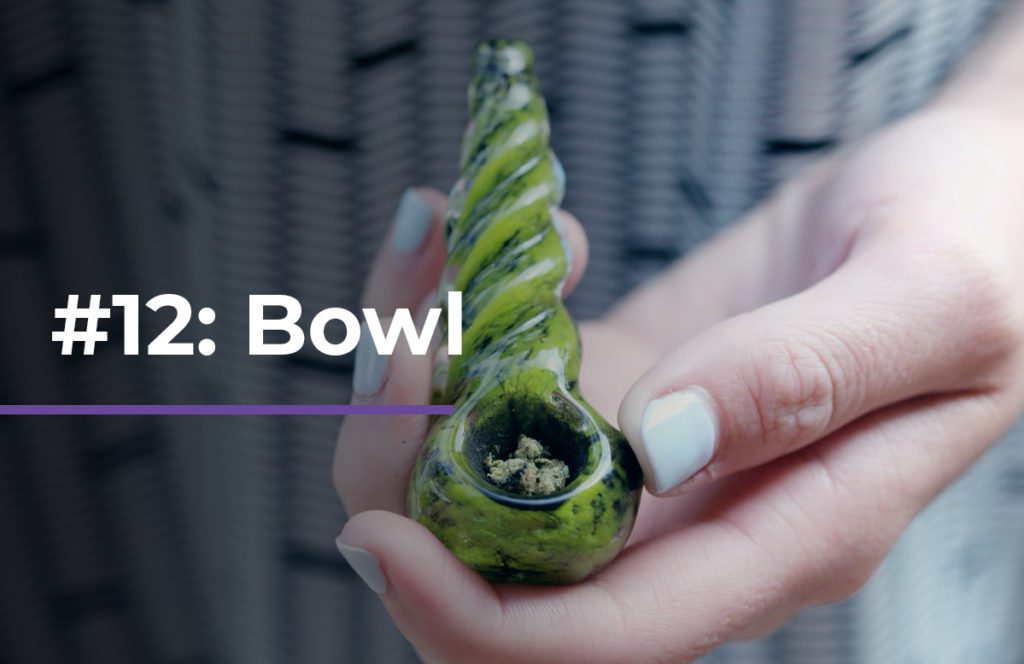
A bowl is a small glass pipe. This pipe has a carb, or hole, placed to the left or right of it. Place your thumb over it while taking your hit, and release it just before your inhale to clear the chamber. Bowls make for great collectible glass pieces due to their size and portability.

13. Wooden Pipe/Hand Pipes

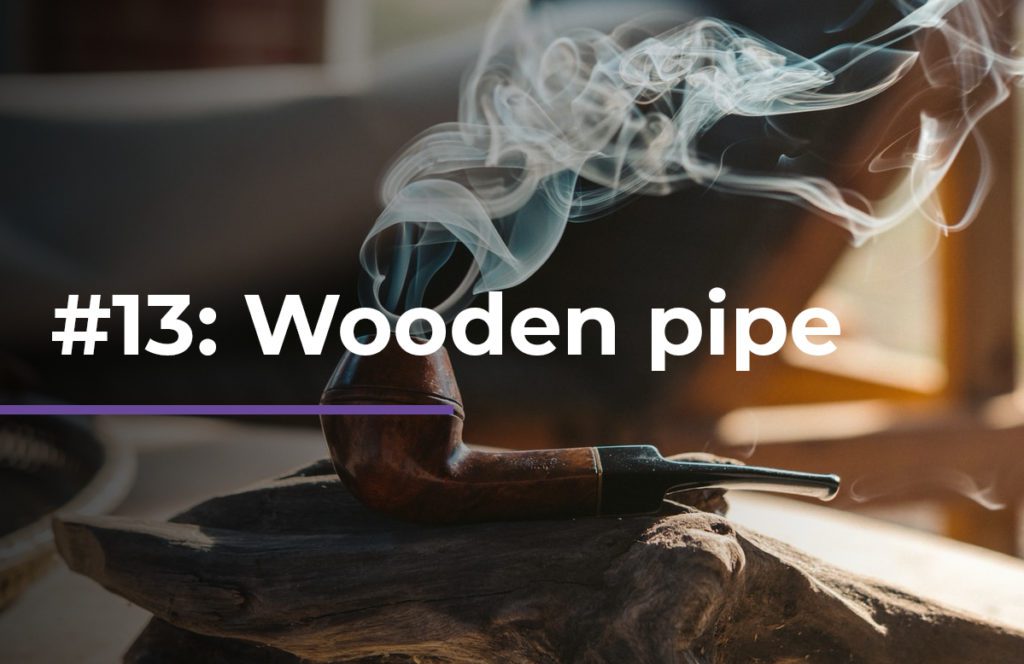
Yes, you technically can use a wooden tobacco pipe to smoke marijuana. If you are already a tobacco smoker, you may have a better experience if you mix your ground cannabis with a bit of tobacco, and although there are no carbs on these pipes, they do work if you’re in a pinch and there’s nothing else available.

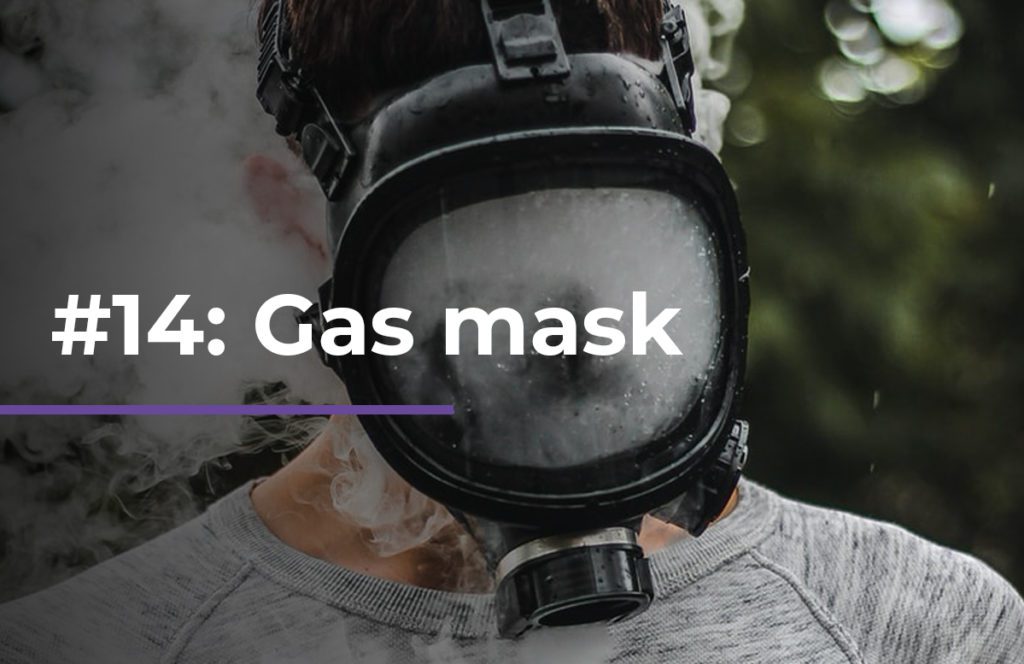
14. Gas Mask

A gas mask can be attached to the end of a bong for a novel and popular way to basically… hot box yourself. Fill the bong with water and add your ground cannabis to the bowl. Put the gas mask over your face with the mouthpiece in place, and attach your mask to the bong. Once you clear the chamber, the mask will begin filling with smoke, and you can continue to inhale and exhale as needed. When you’re done, simply loosen the gas mask and revel in the psychoactive effects.

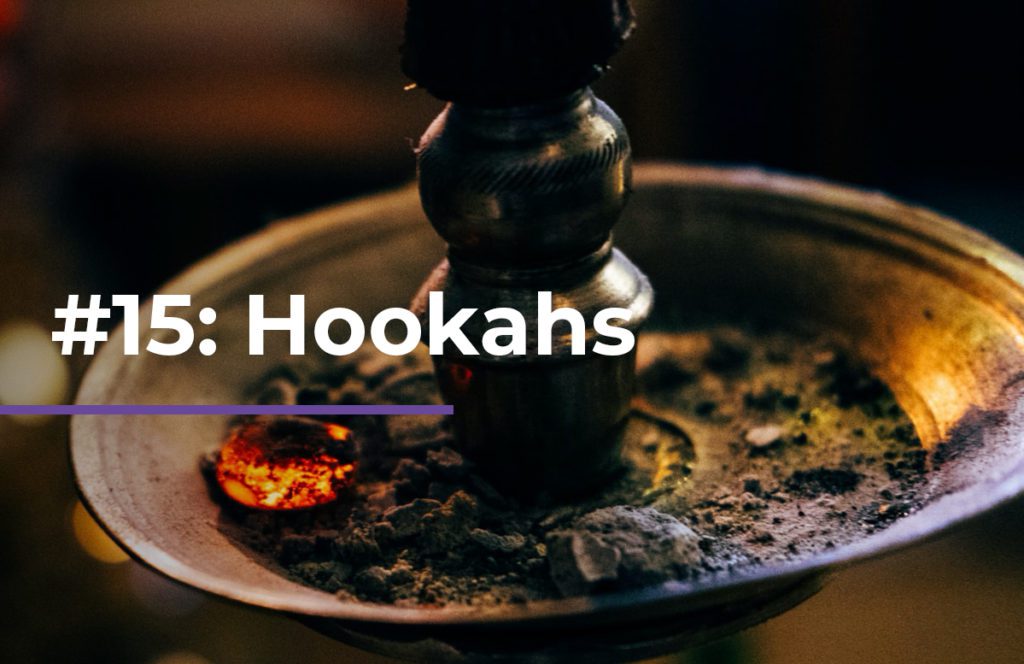
15. Hookahs

When smoking weed out of a hookah, or shisha pipe, sharing with friends is easy as the coals keep the bud lit. To use a hookah fill the base with water, attach your hose and pack the ceramic bowl with layers of shisha tobacco between layers of ground cannabis. Place a piece of tin foil tightly over the bowl and poke multiple holes through it with a toothpick, then secure your bowl on the pipe, and place hot coals over top.

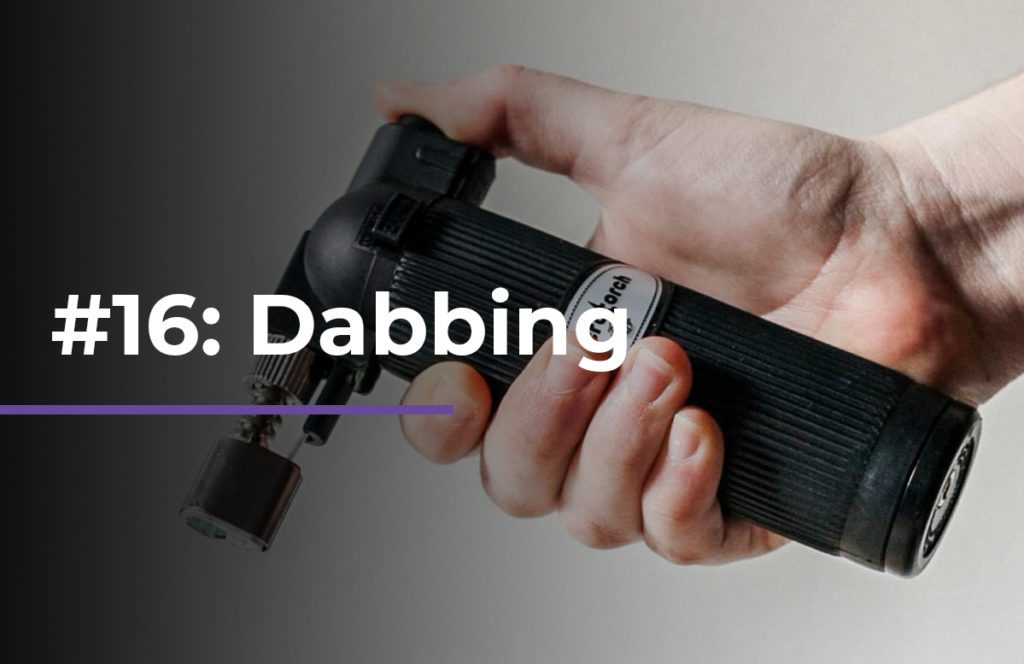
16. Dabbing

Dabbing has become one of the most common ways to consume cannabis extract over the past few years. To dab, you’ll need a dab rig, a blowtorch filled with butane, a carb cap, dab tool, and the concentrate of your choice (ie: BHO (hash oil), shatter, or live rosin if you’re fancy). There are also plenty of devices on the market making the process simpler, including e-rigs that let you leave the flame torch in the past. A lesser known but much more pleasant option than traditional dabbing is to decarb the concentrates first. This allows you to take low temp, easy-on-the-throat puffs while increasing potency.

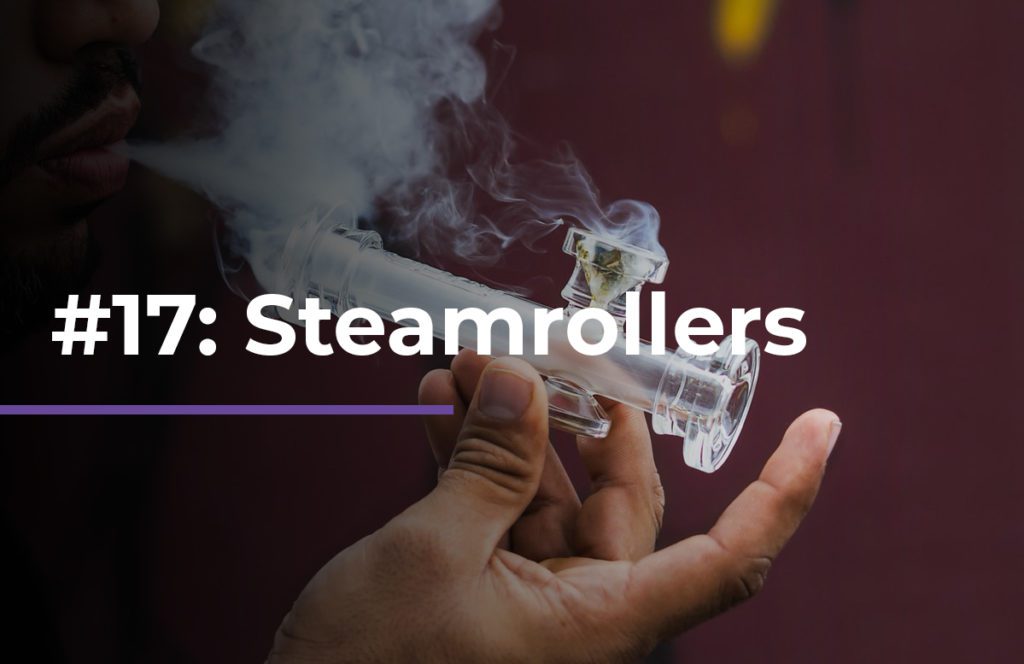
17. Steamroller

A steamroller is usually a long, glass, dry pipe notorious for its strong throat hits. Think of it as a water-less bong. Unlike most bowls, the carb sits at the end of the long pipe, and while you inhale, the smoke has the time to cool before hitting your mouth. The steamroller is a better option for advanced smokers, due to the harshness of the hits.

18. Hot Knives

Most popular in New Zealand, a method called hot knives, or “spotting,” is performed when the ends of two (butter) knives are heated on an electric burner. The heated knives are placed between a bud, and the smoke that comes off the bud is quickly inhaled. This is more common when smoking hash on its own, which is traditionally mixed with tobacco when using other methods such as a joint.

19. Corn Husk

Starting with a piece of unhusked corn, peel it, and let the husks sit out to dry. Grind the buds, and cut down a dried husk to about the shape and size of a paper or piece of fronto leaf. Use a crutch or glass tip, if desired, and roll it as you would a joint or blunt.

20. Plastic Lung

Also known as the aqua lung, or a waterfall bong, this method is used to smoke marijuana using just a 2 liter bottle and a metal pipe bowl or glass bong stem. Punch a hole into the bottle around one inch from the bottom, and cover it with electrical tape. Fill your bottle up with water about 4/5 of the way, and place your bong stem inside the mouthpiece. Light the cannabis continually using a hemp wick and remove the electrical tape at the same time. Allow the waterfall bong to drain into a bucket or sink, and inhale what remains from the mouthpiece.

21. Water Bottle

Again, not the healthiest option, but an option nonetheless. Find a standard water bottle and remove the label and cap. Put a piece of aluminum foil over the mouthpiece and use a toothpick to poke a few holes through it. Pack it. Fill the bottle 1/4 of the way with water, and punch a hole through the side, about three inches above the water. Put your mouth over the hole, light the bud, and inhale.

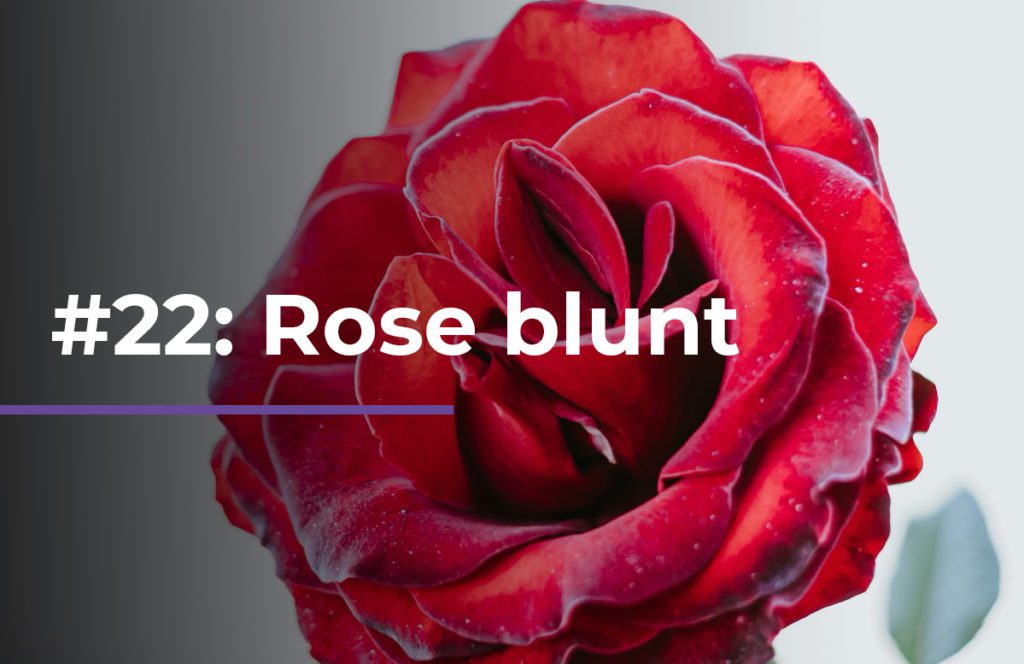
22. Rose Blunts

Rose blunts are the stoner way to say I love you. Wash your rose petals and lay them out with the round side facing upwards on a baking sheet. Place in the broiler for 12 seconds. Remove from oven, and lick the petals together as if you’re making an extended joint. Three petals is sufficient. Place your attached petals to broil for another 12 seconds. Roll as you would a joint or blunt, and finally, place back in the oven for another 10 seconds to seal.

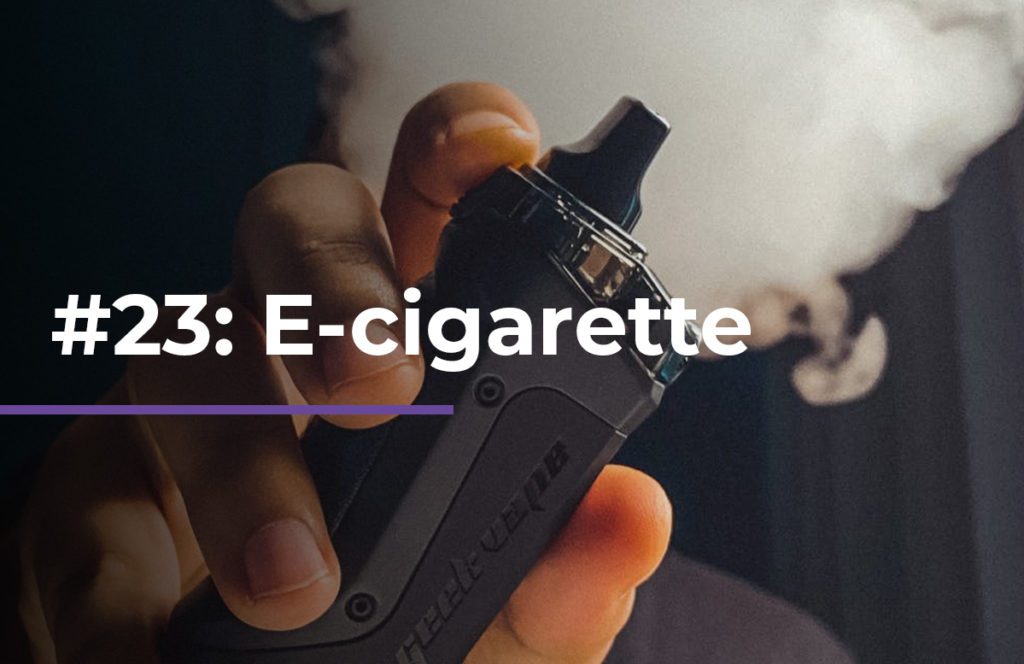
23. E-Cigarette with Cartridges

Cartridge vape pens have made smoking cannabis more discreet than ever before, which probably explains their recent rise in popularity. They are vaped on a re-chargable (or disposable) battery, and gets you high with very little residual smell. If using pods, we can’t recommend strongly enough that you purchase them from sources you trust, ideally with testing results provided. Although very convenient, there is still much testing to be done on what adverse effect they may have on the human body.

Additional ways to smoke weed

There are even more ways to smoke such as:

  • Glass blunt
  • Fronto
  • Thai sticks
  • Cannagars

Conclusion

No matter what method you choose, all of these can get the job done. How many of these smoking methods have you tried? Can you think of any others? Tag us in your favorites on Instagram for the chance to be featured on our page!

“R” is for Raffinate

It’s time to tackle another common question – “After I infuse, how much THC is left in the bud? Should I throw it away, or can I reuse it to make other things?”

A great question, and we’re here with a real answer steeped in science. First, there are two terms that are relevant to this conversation, extract and raffinate.  You probably know what extract is – a substance that contains cannabinoids like THC and CBD, retrieved from the cannabis plant material. Raffinate is the starting material. In the case of cannabis infusions, it is the leftover flower strained out after infusion. In order to see how much was left in this raffinate, we saved the strained plant material and had it tested. see the results below!

The RESULTS – While it’s nowhere near as strong as decarbed cannabis, the raffinate (strained flower after extract) does have some cannabinoids left and can be used to create different products. 

There are two reasons the raffinate retains cannabinoids. First, the extraction process on average removes approx 95% of the cannabinoids like THC and CBD from the decarbed cannabis flower. That means the material left over after the straining can still retain a small percentage of the original amount of THC or CBD. Second, the raffinate can soak up a small amount of the oil or solvent used to extract. These two combined lead to a raffinate that is useful for low dose edibles or other applications.

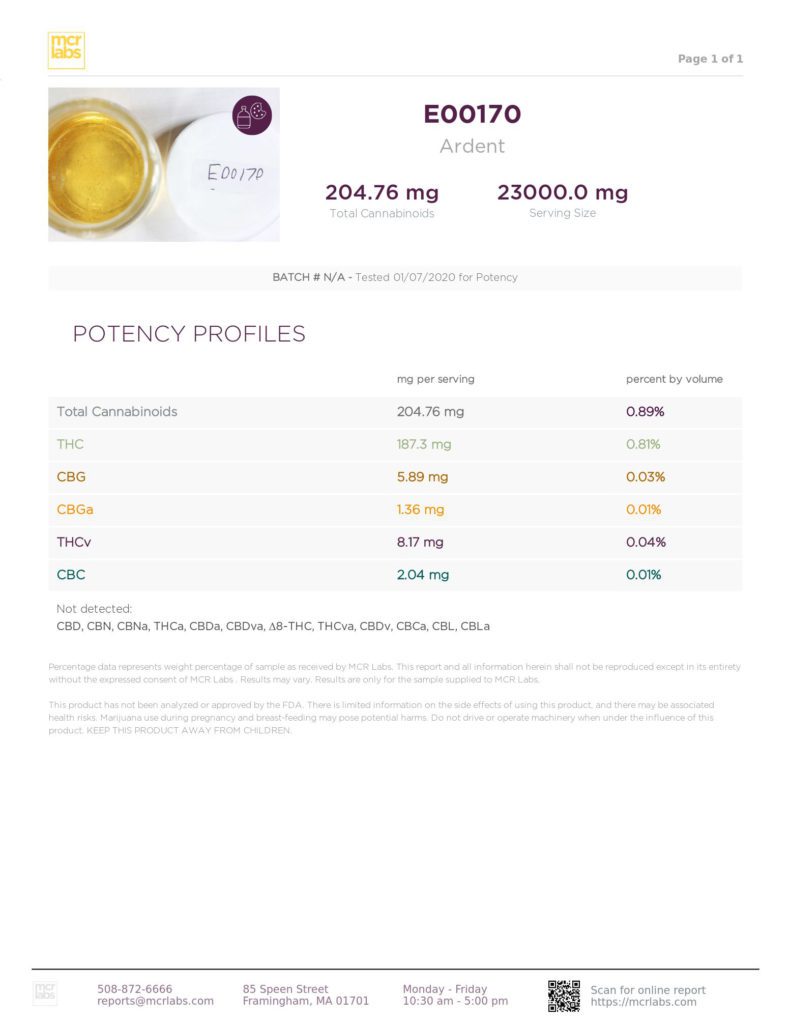
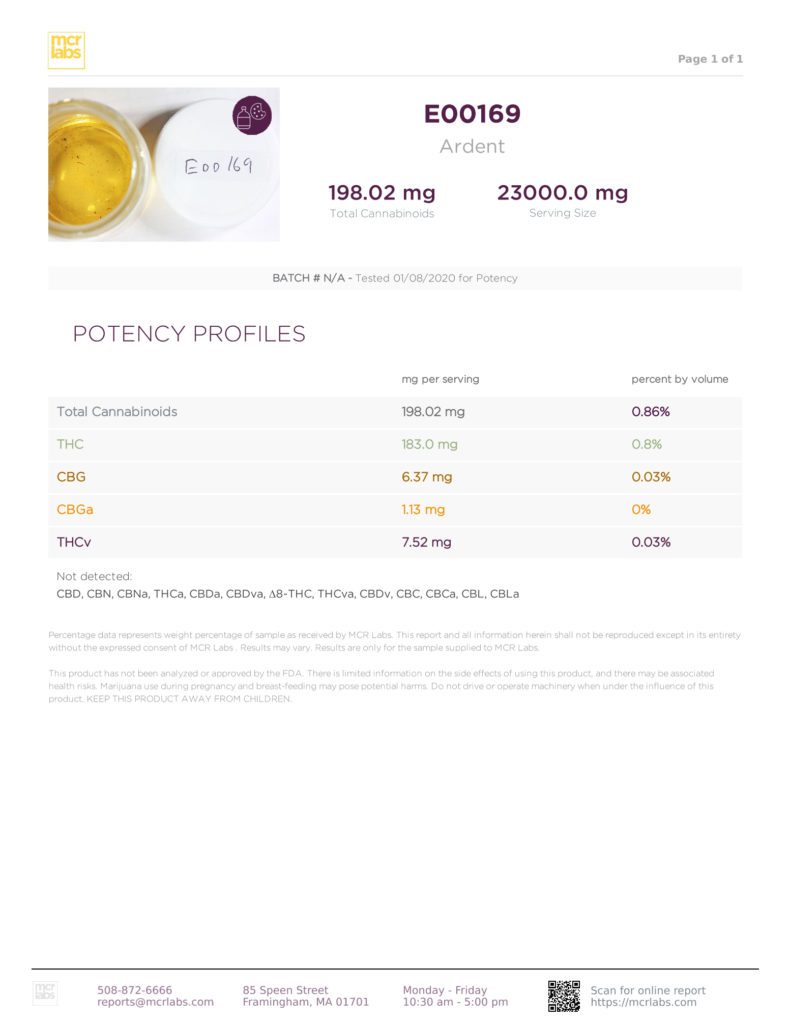
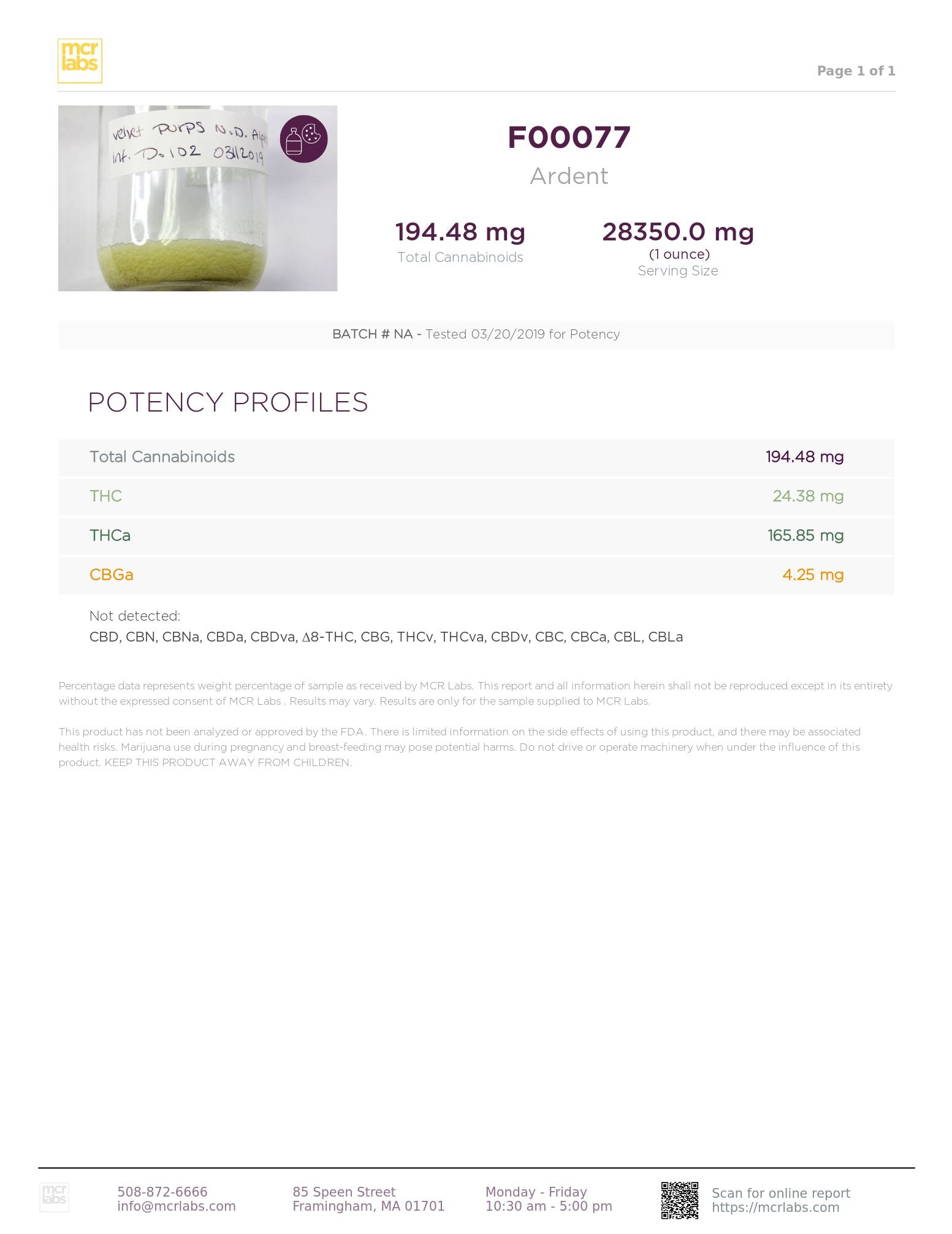
We tested Strawberry Lemonade decarbed flower that was infused in oil. One gram of decarbed flower had 169 mg of THC per gram after decarb* and the infusion had 157 mg of THC. The raffinate had only 9.7 mg of THC remaining. Almost all of the THC is extracted during the process, but there is a small bit left in the strained raffinate. Keep this in mind and think of interesting ways to use yours! Leave a comment below if you already use your leftover raffinate from infusion in your cannabis routine. SPECIAL NOTICE – If you are a current owner and not yet part of our private owners only online group, you are MISSING OUT on some MAJOR announcements and owner’s-only info. Click here to join Ardent You Glad You Can Decarb (please be sure to answer all of the required questions – this group is restricted to owners only)

*If you want to know how many mg of a cannabinoid in a gram, just move the decimal point one to the right. For example, this decarbed flower testing shows it is 16.9% THC, which is 169 mg per gram. The raffinate shows 0.97% THC, which is 9.7mg of THC.

How Long to Infuse Cannabis Oil? The Answer to Perfect Decarbed Weed Oil

Is 30 minutes enough? Is 2 hours too long?

How long do I need to infuse marijuana oil to extract the maximum amount of THC or CBD? This is a really common and important question.

The concern is that, without infusing for long enough, the CBD or THC won’t move from the flower into the oil. On the other hand, people worry that if they infuse the cannaoil mixture for too long, it will destroy the THC and CBD.

We put this question to the test in the controlled heating environment of the Nova Decarboxylator and Infuser. After decarbing some Orange Sherbert cannabis flower, we infused it into almond oil, which is amazing for all sorts of applications.

The decarbed Orange Sherbert flower had ~ 21.5% THC in each gram = 215 mg THC in each gram of this decarboxylated cannabis.

We made three infusions, each with one gram of decarbed Orange Sherbert flower* and one ounce of almond oil. We infused for three different durations – 40 minutes, 1 hour, and a full Nova cycle (1 hr 45 min – 2 hours)

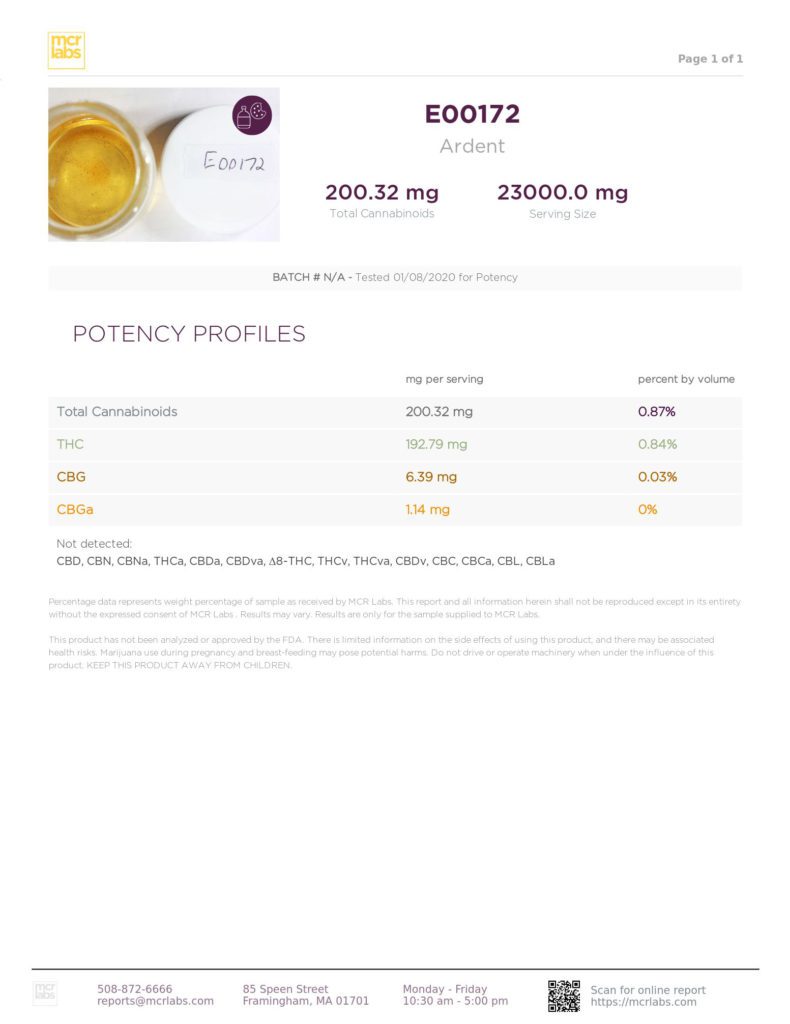
The results?? All of the infusions were almost identical. Each had just about 200 mg total cannabinoids in the final ounce, an excellent infusion rate of ~90%. There was no significant difference in potency between the 40 minute and 2 hour infusions in the Nova. There was no more degradation at the longer cycle, and the shorter cycle had full infusion. Check out the results below to see these easy, potent infusions were able to pull ~190 mg THC out of just one gram:

Below, 1 gram of decarbed Orange Sherbert in 1 oz. almond oil – infused in Nova for 40 minutes

Below, 1 gram of decarbed Orange Sherbert in 1 oz. almond oil – infused in Nova for 60 minutes

Below, 1 gram of decarbed Orange Sherbert in 1 oz. almond oil – infused in Nova for a full cycle (2 hours)

The results above show how long you need to infuse to extract THC and CBD into potent marijuana oil. With Nova, it comes to personal preference and schedule. You can extract ~90% with either short or long infusions.

Was this video helpful? What are your favorite oils to infuse? Let us know in the comments, and don’t forget to check out our post on how to use THC oil!

*Each sample used decarbed flower. Decarbing before infusing is required in order to have an active infusion.

What Is The Shelf Life Of Decarbed Weed? How Long Is Weed Good For?

One of the most obvious questions that comes up when you are activating cannabis to use for various products or to smoke or vape is “how long does cannabis stay fresh after decarb?” To help save time and money, people in our community want the best options for long term cannabis storage. As with most marijuana inquiries, there are many different opinions on how long you can store weed after decarboxylating before THC and CBD degrade/how long cannabis will stay potent after activation, but only the science provides reliable proof.

The results below show two different strains, one THC dominant and the other CBD, both decarbed in the NOVA and then stored in a plastic bag in a cool, dark drawer for a little under six months. Check out the results and let us know in the comments if they match your hypothesis or not!

THC

We decarbed some Sour Apple back in June, and tested a portion of it immediately after. Analysis of the remaining batch tested six months later in early January showed no significant loss of THC during the storage period. In fact, aside from a tiny amount of CBN (a degraded form of THC that can make you groggy/helps with sleep), the two samples are nearly identical with over 19% THC (190mg of THC per gram of cannabis). 

Test Results 

CBD

Lilly Hill was our strain of choice for a CBD test. After 6 months, we found mild CBD degradation – a reduction of about 30 mg per gram – from 18.5% CBD in the fresh sample (185 CBD mg per gram) to 15.84% CBD (158 mg CBD per gram) in the 6 month post-decarb sample. Despite this bit of loss, there is still significant CBD in the decarbed cannabis that was stored for 6 months. 

The Best Way To Store Decarbed Weed: Our Conclusion

In summary, while we recommend consuming freshly decarbed cannabis, especially when it is so easy to decarb anytime or anywhere with Ardent’s decarboxylators, these latest results indicate fresh doesn’t necessarily mean best. No more wondering in worry if weed goes bad – if stored in a cool, dry and dark place, decarbed cannabis can have a more than adequate shelf life. And just like flower, you can store decarboxylated kief as well!

You may be wondering, when do you need to decarboxylate weed and then store it for awhile? Since you’ll need to decarb your flower before infusing, storing your decarbed flower makes infusions on the fly even easier. Simply decarb what you’ll need for the next few infusions to have it at the ready for, well… anytime!

Let us know in the comments below if the results above are consistent with your experience, and what your favorite method is for planning out your cannabis prep and intake.

How to Make Weed Ice Cream {Maximum THC Cannabis Infused Recipe}

Ardent Cannabis | Cannabis Ice Cream

Ice cream is everyone’s favorite indulgent treat. Next time your sweet tooth calls, don’t be so quick to put on pants: bring both the ice cream shop and the dispensary to you. No, we’re not talking delivery. You can make medicated ice cream right at home using a few simple steps and ingredients.

We’ve re-created our favorite infused ice cream recipes below and hope you’ll churn with us. Here’s how to make weed ice cream:

Here’s How to Make Weed Ice Cream

1. Cookies + Cream Weed Ice Cream Recipe

Follow our step-by-step recipe below, or follow along with us on YouTube.

Active prep time = 15 minutes

Inactive prep time = 8 hours

Ready in= 8 hours, 15 minutes

Note: *Extra time needed for decarboxylation and cannabutter or weed milk prep

Required Ingredients

  • 1 Teaspoon Lecithin Granules
  • 14 Ounces Condensed Milk
  • 2 Cups Heavy Cream
  • 1 Pound Oreo Cookies, broken into medium-sized pieces, or another flavor/candy that meets your preferences
  • ¼ cup chocolate sauce (optional)
  • Extra Oreos (optional)
  • Cannabis

Note: Feel free to add additional ingredients like egg yolks, sugar, food coloring, honey, milk powder, caramel, and more, to meet your taste preferences. 

Required Kitchen Equipment

Directions

  1. Decarb up to ¼ ounce of cannabis if using the oven method or for best results, use the Ardent Nova decarboxylator which will allow you to use significantly less cannabis for the same potency. When your bud is decarbed, grind it into medium-sized pieces to begin creating cannabutter.
  2. To make cannabutter, simply place decarbed cannabis and butter back in the Nova for a second cycle. If you aren’t using a Nova, place ½ cup butter, the decarbed flower, and 1 tsp of lecithin granules into a glass jar with lid into a crockpot and cook for 2 hours. Whichever infusion method you choose, strain plant matter from the finished product using cheesecloth in a fine mesh strainer, or for the cleanest option use the Ardent Frainer.
  3. Place melted cannabutter into a mixing bowl and add 14 oz of condensed milk. Whisk together until smooth.
  4. Pour 2 cups heavy cream into a separate mixing bowl. Using a mixer, whip until it reaches the consistency of whipped cream, approximately 5-8 minutes.
  5. Using a rubber spatula, fold the condensed milk mixture into the whipped cream until well mixed. Fold in the Oreo pieces until evenly distributed.
  6. Spread mixture into an 8×8 or 9×9 baking dish. Top with chocolate sauce and additional Oreos, if desired. Cover with plastic wrap, freeze overnight, and enjoy! As with all edibles, start slow until you know your tolerance level.

Try Different Flavors

Other infused ice cream recipes to consider include:

  • Mint Chocolate Chip Cannabis Ice Cream
  • Cherry Cannabis Ice Cream
  • Strawberry Cannabis Ice Cream
  • Chocolate-Covered Strawberry Cannabis Ice Cream

2. Vegan Mint Chocolate Chip THC Ice Cream Recipe

Required Ingredients

  • Decarboxylated cannabis
  • 3 tablespoons of coconut oil
  • 3/4 cup of spinach leaves
  • 1 can of coconut cream
  • 1/4 cup maple syrup
  • 2 tablespoons of sugar
  • 1/2 teaspoon vanilla extract
  • 1/4 teaspoon peppermint extract
  • 1/2 cup dairy-free chocolate chips

Required Kitchen Equipment

Directions

  1. Decarb cannabis in an oven or in the Ardent Nova decarboxylator. Using the infusion sleeve, add the coconut oil to your unit, and run it for an additional cycle to achieve full infusion. Strain out the plant material and dispose of it.
  2. Add your infused oil to the blender with spinach (for color,) maple syrup, and coconut cream. Blend until smooth.
  3. Add sugar, vanilla extract, and mint extract to the blender, and quickly mix.
  4. Stir in chocolate chips, and pour mixture into the loaf pan. Cover and freeze for 4-6 hours.

3. Cherry Cannabis Infused Ice Cream Recipe

Required Ingredients

  • Decarboxylated cannabis
  • 5 egg yolks
  • 3/4 cup sugar
  • 1 cup whole milk
  • 1 teaspoon almond extract
  • 1 teaspoon vanilla extract
  • 1 teaspoon cherry extract
  • A handful of chopped Maraschino cherries

Required Kitchen Equipment

Directions

  1. Decarb cannabis in the oven or in the Ardent Nova decarboxylator. Wrap your decarbed plant material in a cheesecloth, or simply throw the whole buds in the saucepan with milk over low heat for 60-90 minutes, never allowing it to come to a boil. Keep the temperature around 110 degrees Fahrenheit.
  2. Cream together the egg yolks and sugar with a whisk. Very slowly, stir in the scolded, infused cannabis milk, allowing it to temper as you pour and stir.
  3. Add the mixture to a saucepan and place it on the stove over medium heat until thick.
  4. Stir in vanilla extract, almond extract, cherry extract, and Maraschino cherries. Add your mixture to an ice cream maker to finish and serve.

4. Strawberry Cannabis Ice Cream Recipe

Required Ingredients

  • 2 cups diced strawberries (or diced chocolate covered strawberries for added flavor)
  • 1 cup sugar
  • 2 cups heavy cream
  • 1 cup whole milk
  • 1/2 teaspoon vanilla extract
  • A pinch of salt
  • Cannabis

Required Kitchen Equipment

  • Saucepan
  • Cheesecloth/fine mesh strainer
  • NOVA Decarboxylator
  • Blender or food processor
  • Ice cream maker

Directions

  1. Decarb cannabis in the oven or in the Ardent Nova decarboxylator. Wrap your decarbed plant material in a cheesecloth, and place it in the saucepan with milk over low heat for 60-90 minutes, never allowing it to come to a boil. Keep the temperature around 110 degrees Fahrenheit
  2. Place strawberries in a bowl with half of your sugar and allow to sit for 15 minutes.
  3. Combine your strawberry mixture with heavy cream, vanilla extract, salt, and the other half of the sugar, before slowly mixing in your scolded, infused milk. Place to the side.
  4. Add your mixture to an ice cream maker to finish and serve, or place in the freezer for a more firm scoop.

Canna Ice Cream Conclusion

There are so many ways to create cannabis infused ice creams at home. Transform your favorite THC and CBD products into delicious munchies by bringing the creamery to you. The Ardent Nova helps you activate all the cannabinoids in your plant material, then helps you infuse with the press of a button. From there, the possibilities are endless. Tag us in your cannabis dishes on Instagram for the chance to get re-posted!

How to Make Cannabis Cookies

Step aside, brownies. Cannabis infused cookies are a real crowd favorite! You can make pot cookies from scratch using a few simple ingredients. Gather your cannabutter or infused THC or CBD coconut oil, and re-create some of our favorite infused, dispensary grade cookie recipes right at home. We’ve got classic chocolate chip cookies, gingersnap cookies with a delicious drizzle of infused caramel over the top, peanut butter cookies, and a re-imagined version of Grandma’s oatmeal cookies coming right up. Ready to get baking? Then here’s how to make pot cookies to die for.

Here’s How to Make Weed Cookies

Prep time = 15 minutes

Cook Time = 15 minutes

Ready in = 30 minutes

*Extra time needed for decarboxylation and amount of time will depend on decarb method

Note: *Extra time needed for decarboxylation and amount of time will depend on decarb method. If using the Nova decarb will take 1.5 – 2hrs.

Follow this weed cookie recipe on YouTube, or follow the recipe below.

Required Ingredients

  • 2 cups all-purpose flour
  • ½ teaspoon baking soda
  • ½ teaspoon salt
  • ¾ cup unsalted, melted butter
  • 1 cup lightly packed brown sugar
  • ⅓ cup white sugar
  • ¼ ounce to ¾ ounce of decarbed flower, the amount depends on desired strength
  • 1 tablespoon vanilla extract
  • 1 egg
  • 1 egg yolk
  • ½ cup of chocolate chips
  • Cannabis

Note: Feel free to add a variety of different flavors and ingredients to this recipe per your preferences.

Required Kitchen Equipment

  • Mixing bowl
  • Whisk or rubber spatula
  • Greased baking sheet

Directions

  1. Decarb your herb using the oven method or for best results, use a Nova decarboxylator. When your weed is decarbed, grind it into small pieces to mix into cookie dough.
  2. Preheat oven to 325 degrees F and grease two baking sheets or line with parchment paper.
  3. Mix 2 cups flour, ½ teaspoon salt, ½ teaspoon baking soda, and decarbed bud in a large bowl, set aside.
  4. In a second bowl using a mixer, cream together ¾ cup of melted butter, 1 cup brown sugar, and ⅓ cup white sugar. Beat in 1 tablespoon vanilla, the egg, and egg yolk until light and creamy.
  5. Mix in dry ingredients until incorporated. Using a spatula, fold in chocolate chips until evenly distributed.
  6. Drop dough by rounded tablespoonfuls onto your prepared cookie sheets, being sure to leave a few inches between each cookie.
  7. Bake for 12-15 minutes, or until the edges are light brown. Remove from oven and let sit on cookie sheet for 5-10 minutes before transferring to wire cooling rack. As with all edibles, start slow until you know your tolerance level.
  8. The cookies can be stored in an airtight container for 2-3 days. (Hint: To keep them moist, store a single slice of bread in the container with them.) For even longer freshness store the canna-cookies in the freezer and warm them covered in the toaster for an freshly-baked taste up to 2-3 weeks later.

2. Gingersnap Cookies With Medicated Caramel Drizzle

A gingersnap cookie is the perfect holiday gift or treat. Gather around the fire with a few of these psychoactive cannabis cookies and kick up your feet, or enjoy them all year around for a moment of cozy nostalgia.

Required Ingredients

  • 3/4 cup softened butter
  • 1 cup sugar
  • 1 egg
  • 1/4 cup molasses
  • 2 1/4 cups flour
  • 2 teaspoons of ground ginger
  • 1 teaspoon baking soda
  • 3/4 teaspoon cinnamon
  • 1/2 teaspoon ground cloves
  • 1/4 teaspoon sea salt
  • Ardent Caramel Infusion kit or your favorite local caramel

Required Kitchen Equipment

  • Mixing bowl
  • Greased baking sheet
  • Whisk or rubber spatula
  • Electric mixer (optional)

Directions

  1. Mix decarboxylated kief into the caramel sauce of choice, and place it to the side.
  2. Preheat oven to 350 degrees F and grease two baking sheets or line with parchment paper.
  3. Mix sugar and butter together before stirring in the egg and molasses.
  4. Combine dry ingredients and gradually mix well into the dough.
  5. Roll roughly 30 balls of cookie dough, placing half on each baking sheet. Bake until golden brown, or for about 10-12 minutes.
  6. Once cooled, drizzle medicated caramel sauce over each cookie, dosing as you like.

3. Peanut Butter Cannabis Cookies

Peanut butter cannabis cookies can get you an extra protein boost with your dose. These are particularly good before a run or intense workout session with a tall glass of oat or almond milk and plenty of water. Here’s how to make cannabis cookies with peanut butter.

Required Ingredients

  • 1 Cup Cannabutter
  • 1 Cup Crunchy Peanut Butter
  • 1 Cup White Sugar
  • 1 Cup Brown Sugar
  • 2 Eggs
  • 2 1/2 Cups All-Purpose Flour
  • 1 1/2 Teaspoon Baking Soda
  • 1 Teaspoon Baking Powder
  • 1/2 Teaspoon Salt

Required Kitchen Equipment

  • Mixing bowl
  • Greased baking sheet
  • Whisk or rubber spatula

Directions

  1. Preheat oven to 375 degrees F and grease two baking sheets or line with parchment paper.
  2. Combine cannabutter, white sugar, brown sugar, and peanut butter in your mixing bowl. Stir well, and beat in the eggs one at a time.
  3. Combine dry ingredients together and gradually mix well into the dough.
  4. Roll cookie dough into one inch balls and place on the baking sheet. Imprint a criss-cross pattern on each cookie using a fork. Bake until browned, for about 10 minutes.

4. Grandma’s Re-Imagined Infused Oatmeal Weed Cookies

Just like Grandma’s, but better. Here’s how to bake weed cookies your Grandma will never better!

Required Ingredients

  • 2 large eggs
  • ¾ cup Cannabutter
  • 2 cups sugar
  • 2 teaspoons vanilla extract
  • 1 tablespoon ground nutmeg
  • 1 tablespoon ground cinnamon
  • 2 cups whole wheat flour
  • ½ teaspoon baking soda
  • 1 teaspoon sea salt
  • 2 tablespoons water
  • 1 ½ cups raisins
  • 2 cups rolled oats
  • 1 cup chopped pecans

Required Kitchen Equipment

  • Greased baking sheet
  • Mixing bowl
  • Whisk or rubber spatula

Directions

  1. Preheat oven to 350 degrees F and grease two baking sheets or line with parchment paper.
  2. Mix together cannabutter, eggs, sugar, and vanilla. Add cinnamon, nutmeg, baking soda, and salt. Stir well.
  3. Add raisin, water, nuts, and oats to the dough and mix thoroughly. Allow the dough to cool in the refrigerator for about a half hour.
  4. Combine dry ingredients and gradually mix well into the dough.
  5. Roll cookie dough into small balls and place on your baking sheet with two inches between each one. Bake for 15-18 minutes, or until the cookies are very slightly browned on top.
  • Cannabis-Infused Cherry Almond Cookies
  • Cannabis Chocolate Chip Cookie Dough Truffles
  • Oatmeal Cannabis Cookies
  • Cranberry, Cannabis, and Chocolate Chip Cookies
  • Marijuana Toffee Chocolate Chip Cookies
  • Cannabis-Infused Sugar Cookies
  • Coconut Almond Macaroons
  • No-Bake Stoner Chocolate Balls
  • Sriracha and Almond Butter Cannabis Cookies

Our Marijuana Cookies Conclusion

Marijuana cookies are a great way to spread joy. If your batch of cookies is too large to eat right away, make sure to freeze them in an air-tight container to extend their shelf life another 2-3 weeks. Enjoying homemade cannabis cookies? Tag us on Instagram for the chance to be featured on our page!

How to Cook With Cannabis {Complete Cooking With Weed Guide}

Cooking with cannabis is a fun way to spice up dinner parties, to surprise friends and family with meaningful gifts, and to incorporate wellness practices into your daily food rituals. We’re talking more than just pot brownies here. Cannabis infused edibles can make medical marijuana even more approachable and enjoyable.

As they say… Bong Appetit!

Decarboxylation & Cooking with Weed

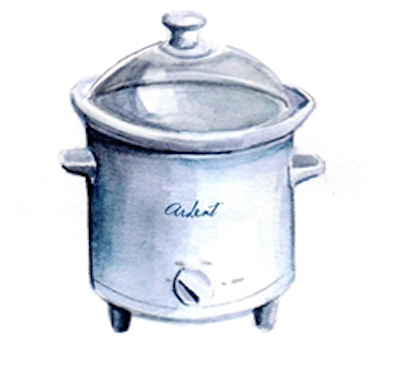
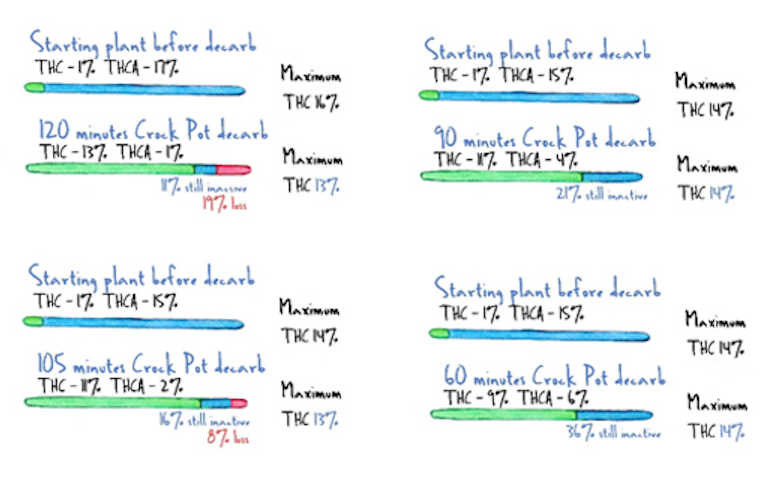
Decarboxylation is the process of converting THCA and CBDA into their active, bioavailable forms, THC and CBD. This process occurs when plant material is heated carefully under precise temperatures and over a certain period of time. The Ardent Nova decarboxylator is a precision “oven” decarbing plant materials like flower, kief, shake, sugar leaf, concentrates, stems, and more, without burning off cannabinoids and precious terpenes. We tested other methods of decarboxylation like the oven, toaster oven, and even a slow cooker. These methods didn’t come close to full activation: they either failed to fully activate all of the cannabinoids in the material, or burned some cannabinoids off in the decarb process. The Nova activates more than 97% each time.

Once fully decarboxylated, your plant materials can now become a psychoactive base for canna-oils and cannabis butters, making them bioavailable and turning infused meals and treats into dispensary quality products. Infusing without decarbing first will greatly limit the potency you are able to achieve, meaning most of that precious THC or CBD will simply go to waste.

How to Cook with Cannabis in 3 Different Ways

  1. Cooking with Cannabis Oil (cannaoil)
  2. Infusing Butter with Cannabis to make cannabutter
  3. Making Cannabis Flour
How to cook with cannabis

1. Cooking with Cannabis Oil

  1. Decarb your cannabis using the Nova.
  2. Select your cooking oil
    Choose between options like olive oil, grapeseed oil, coconut oil, avocado oil, walnut oil, and more.
  3. Break up the bigger nugs
    Breaking up your cannnabis into popcorn sized nugs is best when infusing. Although you can grind the flower first, it isn’t recommended. Traditionally some people will place the cannabis in a cheesecloth to prep it for infusion, but skipping the grinding allows you to skip this unnecessary step.
  4. Mix Oil & Cannabis
    Place the infusion sleeve in the Ardent Nova with the silicone infusion sleeve and add your oil of choice. As we mentioned earlier, some will instead place the cheesecloth inside with the oil of their choice or add the oil and the cheesecloth to a crockpot if they are not using the Nova.
  5. Heat Oil & Cannabis Mixture
    Run the Ardent Nova for a full cycle with the cannabis-oil mixture, or if you’re infusing sans-Nova, let your materials infuse over low heat in the crockpot for about 2 hours.
  6. Strain & Store the Oil
    Remove the oil from heat and let the mixture cool, or simply let the unit cool if using the Nova. Use the hybrid Ardent Frainer for the easiest straining, or use a strainer and a funnel open and strain the materials inside the cheesecloth into your container of choice, squeezing to get every drop of infused oil from the cloth before disposing of it. Store the infused oil in an airtight container in a cool, dark place (the fridge works great) or use right away.
Cooking with weed

2. Infusing Butter with Cannabis

  1. Decarb your cannabis using the Nova.
  2. Prep your butter
    Heat the Butter if using a crock pot. No need to heat if infusing in the Nova. If melting your butter, put in the microwave for about 30 seconds.
  3. Break up the bigger nugs
    Breaking up your cannnabis into popcorn sized nugs is best when infusing. Although you can grind the flower first, it isn’t recommended. Traditionally some people will place the cannabis in a cheesecloth to prep it for infusion, but skipping the grinding allows you to skip this unnecessary step.
  4. Stir & Mix Cannabis and Butter
    There are some old school methods that advise placing your cannabis cheesecloth in a crockpot with softened butter and 4 cups of water, but you will inevitably have additional loss with the water-butter separation and a mess to clean up. For the easiest infusions mix the butter and decarbed cannabis in the infusion sleeve and put through a full cycle in the Nova.
  5. Strain & Refrigerate the Infused Butter
    While the mixture is still warm and liquidy, using a funnel and strainer or the hybrid Ardent Frainer, strain the cannabutter (straining the cheesecloth if that method was used) and dispose of the used plant materials afterwards. Place the cannabis-butter inside an airtight container and refrigerate.

If you’re making cannabis edibles for the first time, there are cannabuttter alternatives such as creating and using infused coconut oil, tinctures, oils, ghee, and more.  

Cooking with cannabis flour

3. Cooking With Cannabis Flour

Whether using your decarbed flower to make instant edibles by simply sprinkling it on your finished food, or mixing the decarbed cannabis into your recipe before cooking, cooking with cannabis flower

  1. Decarb your cannabis using the Nova.
  2. Remove Stems and Seeds From the Cannabis Buds
    By hand, pick apart your decarboxylated cannabis for any undesirable pieces that might negatively impact your munchies.
  3. Grind the Cannabis Flowers
    Using a coffee grinder, grind your cannabis flowers very finely.
  4. Now Sift Through the Ground Flowers for Unground Parts
    Be sure there are no large pieces of cannabis leftover.
  5. Regrind the Unground Parts
    Place any remaining large pieces of cannabis back in the coffee grinder until fully ground. Mix with all purpose flour by hand or with the help of a Kitchen Aid or standard food processor.
  6. Store Cannabis flour in an Airtight Container
    Just as you would store regular flour, place your mixture in an airtight container for safe keeping. This method has a very long shelf life, especially when stored away from sunlight.
  7. Replace Cannabis Flour for a Portion of Your Recipe’s Requirement.
    Following your cookbooks and recipes of choice, replace cannabis infused flour with regular flour, as needed.

Our Favorite Cannabis Recipes

  • Infused Za’atar Hummus
    A Middle Eastern favorite, this hummus recipe is a great vegan medicated staple.
  • Roasted Eggplant Dip
    Another vegan favorite, this roasted eggplant dip is perfect for parties and get-togethers.
  • Nutty Hemp Energy Balls
    Using raw ingredients like hemp hearts, chia seeds, and cacao powder, these cannabis energy balls provide all the medicated protein with none of the guilt.
  • Cannabis Ice Cream
    A pool party couldn’t be complete without our cannabis ice cream recipe. Treat your guests to an icy, sweet edible beyond their wildest dreams.
  • Movie Night Infused Potcorn
    Bring the movie theatre to you. Next time you Netflix and chill, learn how to make weed popcorn so you can munch on a healthy snack that was built for seconds and thirds.
  • Chocolate Canna-Bananas
    Potassium has never tasted better. This chocolate dipped canna banana recipe makes great frozen treats to enjoy on your own or serve microdosed to your pals on a relaxing night indoors. For the tastiest version, use the chocolate from our Magic Shell Kit.
  • Cannabis Pizza
    If you’ve never tried weed infused pizza before, this is the perfect opportunity. Too much work? You can simplify the process by drizzling some infused olive oil on top of your favorite delivery or frozen pie or for the very easiest simply sprinkle some decarbed bud on your slice and enjoy!
  • Infused Buckeye Cookies
    Cannabis infused buckeyes are delicious, and our recipe makes 40, so you can bring them to the tailgate with plenty to spare.
  • Infused Bulletproof Cold Brew
    Perfect for on-the-go mornings when there’s no time for breakfast. Bulletproof coffee will help you feel full while giving you your caffeine boost and a dose of cannabis medicine.

Things to Keep in Mind While Cooking with Cannabis

Stoner treats can be as easy as brownie mix and some cannabis-infused coconut oil, or as complex as a 5-course dinner party. When making weed edibles for yourself or others, be mindful of both standard kitchen hygiene practices, and be sure you know how to measure THC content before you begin.

Using Large Quantity of Cannabis Flower

When using the Ardent Nova, one gram of cannabis flower at 20% THCA decarboxylates into about 200 mg of activated THC. One strategy: make small batches of highly potent weed butter, and use one part cannabutter with one part regular butter in recipes to help manage doses.

Check out our THC Dosage Guidelines for more information on dosing for cooking and baking.

Not Decarbing the Flower

What happens if you don’t decarboxylate your weed? Well, decarbing is a critical element in the edible making process. Since fats insulate cannabis, you will fail to fully convert all of the cannabinoids in your plant material if this crucial step is skipped, compromising the quality and strength of your edibles.

Heating & Decarbing at the wrong temperatures

Decarboxylation is an exact science. When THCA is heated for too long, or at temperatures that are too high, the cannabinoids can burn off completely or convert to another compound called CBN: otherwise known as the “sleepy cannabinoid.”

Conclusion

Cooking with cannabis is always a fun way to play. Take a look at some more of our weed recipes and try out smoothies, appetizers, and infused caramels instead of just weed brownies, and really get creative with your favorite indica, sativa, and hybrid strains. Cooking something infused? Tag us on Instagram for your chance to be featured on our page.

Meet Three Women Who Are Disrupting the Canna-business

They’ve transitioned from ambitious careers to claim their stake.

By: Patti Fletcher, Green Entrepreneur

Leadership Futurist and Gender Equity Advocate

For women bent on disrupting, it may be a perfect time in cannabis. What is estimated to be a $44.8 billion market in the United States by 2024 is still young enough to challenge.

Yes, the deck is stacked against you if you’re female. Much has been made, and rightly so, of a cannabis playing field now tilted unfairly by the influx of capital and the men who seem to get most of it. Overall, in 2018 just 2.2 percent of the whole VC pie was invested in female founders. It’s even worse for those who are black, with one 2018 report showing they received only .0006 percent of total tech venture funding since 2009. When it comes to power, only about a third of cannabis executives are women.

Despite the numbers, and in some cases because of them, women — including women of color — are entering cannabis because they see the opportunity to shape the industry. They are determined to make it inclusive, responsible, and a business that caters to people like them. Meet three of these disruptors who transitioned from ambitious careers to come shake up the greenway.

Advocating for Social Justice

Shanel Lindsay, CEO, Ardent 

A career in pot was nowhere in Shanel Lindsay’s plans as a girl. The type A powerhouse was raised by working-class parents, a white mother and a black father, to study hard and aim high. She earned a B.A. at the University of Pennsylvania, despite having a baby in her sophomore year. (She took summer classes at Harvard with childcare help from her mom and managed to graduate with her class.) “For the first time,” Lindsay says, “I was with classmates who were brought up in extreme wealth. They thought differently. They didn’t see the obstacles; they saw the big opportunities that only someone from wealth could imagine.”

Inspired, Lindsay made her way to Northeastern University School of Law. A legal career, she figured, not only could be financially rewarding; it would also feed her deeper passion for social justice — which turned out to be true, but not quite in the way she expected.

Lindsay was practicing as an attorney in Massachusetts when she got arrested for possession during a routine traffic stop. She’d started using marijuana, before it was legal, to help relieve pain from ovarian cysts and to relax. And although she was never charged (she had less than the legal limit), she says she was put in a holding cell with no probable cause. That harrowing experience stoked her fire to change things for the disadvantaged and people of color. But it didn’t lessen her interest in pot.

At home in her kitchen, Lindsay was already experimenting with making raw weed ingestible by decarboxylation, the process of activating THC or CBD. She tried doing it in her oven, a slow cooker, and even a toaster oven. After medical marijuana became legal in Massachusetts in 2013, Lindsay brought her products to MCR Labs for testing and found that her decarboxylation process was subpar, so she commissioned them to hone in on the right timing and temperature for a better outcome. Once she had those answers, with funding from her mother, she “Frankensteined” a new rig with a circuit board, an algorithm, a silicone heater, and some plastic — a crude prototype for what eventually became the Nova Decarboxylator home system. In 2015, Lindsay founded Ardent Cannabis to sell the Nova and related products.

Meanwhile, she saw the chance to do something about social injustice in her new industry by getting involved in crafting the state’s new recreational legislation. She called on some of her old law professors to help. “The medical cannabis laws had no equity. Their discriminating regulations required more than $500K in liquid cash in the bank [to set up a business], marginalizing the very communities that had suffered under prohibition,” says Lindsay. Thanks to her efforts and those of others, today in Massachusetts there is no capital requirement for adult-use establishments. The law also requires that every cannabis business have a “positive impact plan” that outlines how it will improve communities disproportionately impacted by prohibition. In addition, a technical assistance program is available for social-equity-eligible entrepreneurs. Lindsay has been reappointed to Massachusetts’ Cannabis Advisory Board, where she’ll continue to push for these kinds of measures.

“I loved the power that came with being an attorney, but I reached a point where I wasn’t able to use my voice in the most effective way,” says Lindsay, whose company is partnering with programs for youth and the disadvantaged, and has raised $1 million and generated more than $7 million in revenue with a commercial model to launch in 2020. “Now I am.”

Fighting for Diversity

Jeanne M. Sullivan, General partner, The Arcview Group

Jeanne M. Sullivan shocked her family and friends when she jumped into the cannabis industry with both feet. “I had excoriated my husband and kids when they used cannabis. The stigma was upon me,” Sullivan admits. “But once I researched the industry, I realized all the social injustice that existed — the arrests and felony convictions, particularly for people of color — and I experienced firsthand the wellness issues.”

The other thing that got her attention were the numbers. Sullivan, whose background includes operating roles at AT&T and Bell Labs, cofounded a tech-focused VC firm for which she’s still a special adviser. “Being a long-time investor, within five seconds, I saw the economic upside and that cannabis was the next big wave, and how there were so many similarities to the early tech days,” says Sullivan, who became general partner at The Arcview Group, the first and largest group of high-net-worth cannabis investors, with more than $280 million invested so far. “I learned a lot from the blatant inequities in tech. We have a responsibility to push harder for inclusion and diversity, and the only way to do that is for all underrepresented and traditionally disadvantaged populations to help each other.”

Having made it to the top of the cannabis industry, Sullivan advises female entrepreneurs about the educational and network-building resources available to them and coaches teams on things like packaging and messaging. Most important, she opens the door for financing in a way that traditionally has been available to only a chosen few. “This gets me excited — the opportunity to create a whole new world where we all can truly win,” says Sullivan. “That is the opportunity a new industry like cannabis brings.”

Growing the Female Market

Victoria Flores, Cofounder, Lux Beauty Club

When Victoria Flores landed her first job in the financial industry, it was no small feat. As a Mexican American teenager, she’d been the first in her family to go to college. But during her 18 years at firms like Morgan Stanley Prime Brokerage and Katz Capital, she knew Wall Street was just a stopping point. She wanted to start her own business and, as a user of CBD, started eyeing the new industry. Compared with the world she was in, it seemed to be a more level playing field for women and people of color. And, if she succeeded, she could bring in a whole new market of female consumers to help keep the field level.

Flores teamed up with a childhood friend, a registered nurse named Leslie Wilson. They both saw a huge white space in the beauty industry. “CBD-infused beauty products tend to be either low-rent, with marijuana-­leaf packaging targeting men,” says Flores, “or very expensive body serums at Sephora.” She and Wilson decided to make CBD products for the mainstream cosmetics market. Raising $750,000 in seed funding from some of Flores’ former Wall Street connections, they founded Lux Beauty Club in 2016.

Rather than investing in booth space at crowded cannabis trade shows that tend to cater to the “stoner” crowd, the cofounders put on lab coats and found their place at beauty industry conventions, where they’ve been one of only a few CBD brands on the show floor. “We have the best packaging, and being women doesn’t hurt,” says Flores. “The women commercial buyers love to do business with other women.”

Three years after launch, Lux Beauty Club has a partnership with Express Brands’ new mindfulness website, UpWest, and other deals in the wings. Furiously raising capital, selling product, and hiring sales staff to target medi-spas, boutiques, and doctors’ offices, the founders are focused on scaling. “It’s a war on the ground, and we are in full combat mode,” says Flores. “It’s game on. And we are ready.”

Article via: https://www.greenentrepreneur.com/article/343076

Ardent’s DIY CBD Products Safe, Economical For Seniors

The FDA’s recent warnings on CBD will probably not significantly impact the popularity of these products among older adults. For those who have finally found something effective for treating their aches and pains, they are not likely to give that up so fast.

That said, there is a genuine concern over CBD products that don’t match up to the contents on their labels. Counterfeit CBD products are rampant, and when buying CBD, you get what you pay for. Cheaper CBD available on-line can be tempting for older adults who often have limited resources. But these are just the “bargains” that don’t pay off.

DIY CBD

Making your own CBD and other cannabis-based medicines is a way to maintain control over the quality of the end-product. But it can also translate into significant cost-savings. And for older adults on a budget, their quality of life could depend on that.

But how practical is it to actually make your own cannabis medicine? As a Baby Boomer and caregiver to elder parents, I wanted to see for myself.

In most cases, making medicine using cannabis begins with activating the plant material. This process can be done on a baking sheet in the oven, at one end of the spectrum, or in a sophisticated processing machine, on the other. For older adults, who can be both forgetful and techno-phobic, I believe that a middle-ground solution is best.

I chose the Ardent Nova because it is automated enough to eliminate the possibility of burning the raw material, yet simple enough for the most technology-challenged senior.

Added value for seniors

Ardent’s founder, Shanel Lindsay has been using cannabis medicine to treat chronic pain for over twenty years. Wanting to take control over the process, Lindsay took a deep dive into the kitchen-arts of concocting her own medical marijuana. But she found that her oven and crock-pot system wasn’t as accurate or efficient as it could be. She also knew that, while her elderly relatives would surely benefit from cannabis medicine, they would never be able to use those methods to produce it on their own.

In 2015, Lindsay established Ardent to offer a solution that not only addressed these drawbacks, but brought important added value, particularly for older adults. The Nova system is compact, versatile, odorless, and easy to use. Using a uniformly heated, sensor- and algorithm-controlled chamber, the Nova is also capable of extracting almost 90% of medicinal cannabinoids, which means that less raw material can produce more medicine.

Not surprisingly, results of a recent user survey conducted by the company revealed that almost half are 55+.

Starting with Flower

Purchasing raw flower in a dispensary is the best way to get exactly the cannabinoid profile for your desired medicine. Sourcing your raw material from a dispensary also assures that the product is tested for contaminants. And because it has undergone the least amount of processing, flower is generally the most economical form of cannabis medicine.

But older adults are less likely to want to inhale their medicine, and tend to prefer tinctures or topicals. The Nova is ideally suited for both these delivery methods.

I wanted to make a CBD oil-based tincture, so I chose a Charlotte’s Web Harle-Tsu chemotype containing 21% CBD. One gram, purchased at Washington, DC’s National Holistic Dispensary, cost $13.

A single button

The process of applying heat to the medicinal cannabinoids to convert them into an activated form – called decarboxylation – is where the Nova excels. But as sophisticated as the heating process is, for the user, it is a matter of pressing a single button.

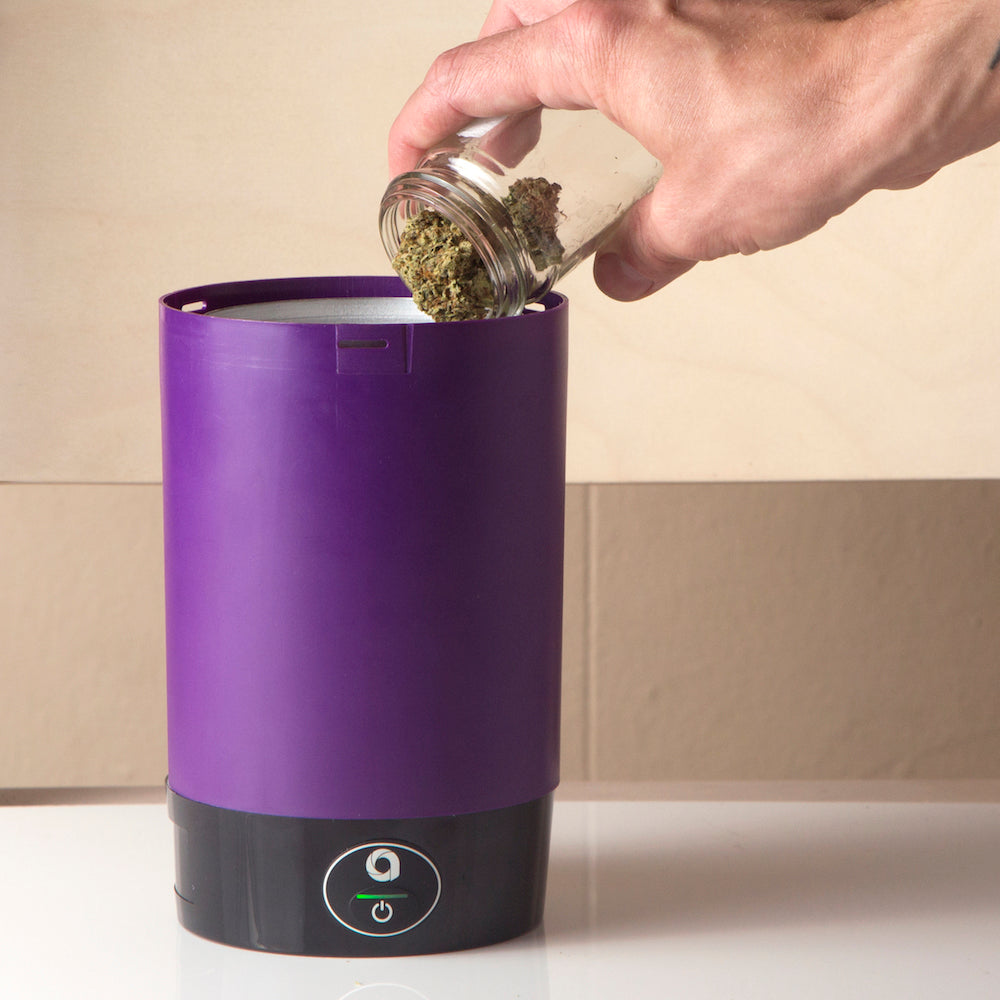
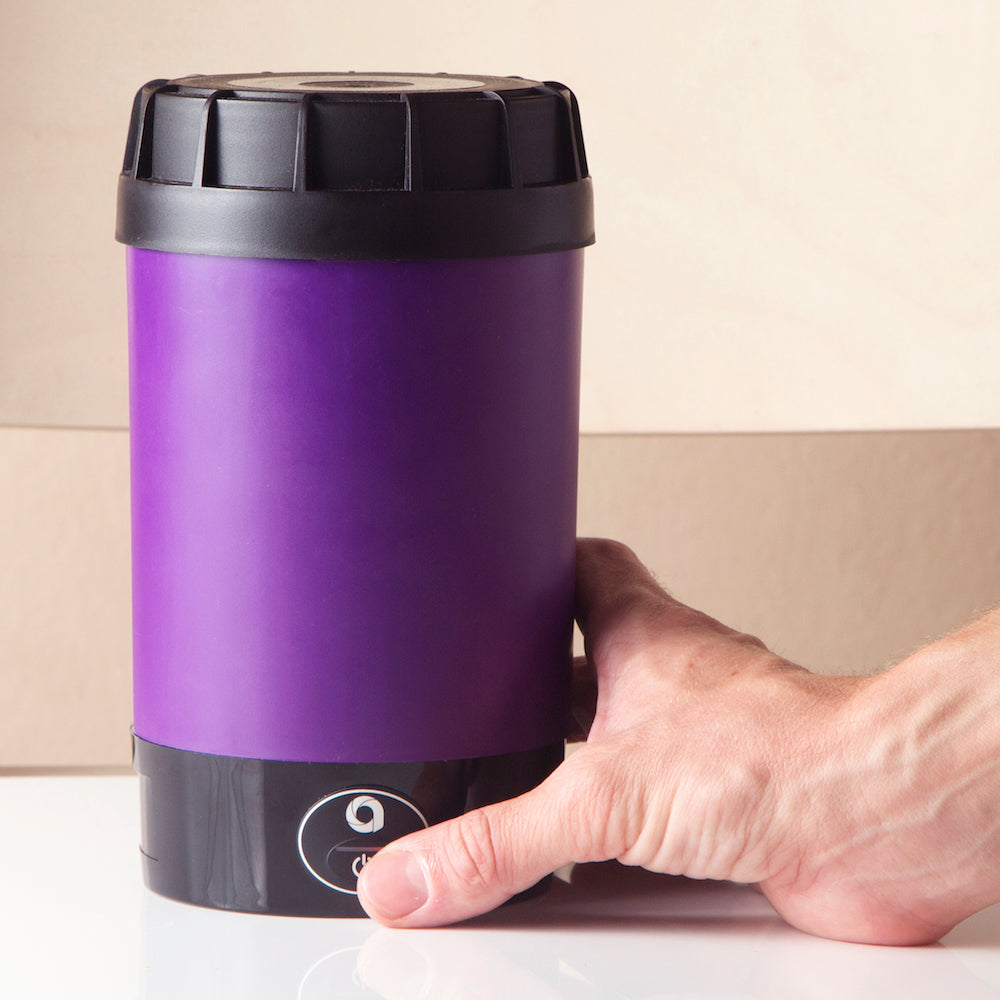
I loaded my gram of flower into the Nova, which looks like a chunky coffee thermos, turned it on, and forgot about it. Ninety minutes later, the red light on the device turned green. Inside the chamber, the flower was ready to be infused into oil.

The Nova makes that process simple as well. I put the decarboxylated flower into a silicon sheath (not included with the core system) that fits into the chamber, then covered it with 2 ounces of extra-virgin olive oil. The same process was repeated, but this time, the finished product was oil infused with almost 90% of the original cannabinoids in the raw material.

My 21% CBD flower produced an oil with almost 200 mg. of CBD, ready to be used as a tincture. Using coconut oil instead of olive oil, the same system easily produces a topical salve.

At $210, (and $20 for the silicon sheath) the Nova is an investment. But for someone who anticipates using medical cannabis for the foreseeable future, it may quickly pay for itself.

And for older adults who have discovered CBD or other types of cannabis medicine, the Ardent Nova would make an excellent holiday gift.

Doing the math

As easy as it is to produce your medicine, I found that figuring out the actual cannabinoid content by volume to be very confusing. Converting from percentages to milligrams, and ounces to milliliters was an onerous process – but this is a problem that is endemic to cannabis-based tinctures. However, the Ardent customer support service is dedicated and helpful. The website is also full of creative ways to use the system.

Want to make CBD products at home? Use your CBD flower with our infusion kits to make all your favorites!

See the original Forbes article here.
What is Decarboxylation (Defined)? & What is a Decarboxylator Used For?

To try to define decarboxylation in a short sentence, decarboxylation is the process of applying the right amount of heat and time to activate the tetrahydrocannabinol (THC) in cannabis.

Because of this, you can’t experience any effects of cannabis (i.e. feel “high”) until it’s been decarboxylated.

Many cannabis users have their first experience with decarboxylation when they make their first edibles or create a product for topical use. Whether they use an oven, a crockpot, or even a double-boiler, these at-home activations rarely reach a decarboxylation rate of over 70%. This leaves almost a third or more of your cannabis’ potential unrealized, resulting in a waste of plant material, unnecessary expenses, and frustration.

At Ardent, we spent almost a decade working with laboratories to test and fully understand the decarboxylation process and how it impacts our cannabis. After years of research and fine-tuning, we were able to produce complete decarboxylation in three easy steps with the invention of the Nova.

This guide will tell you everything you need to know about decarboxylation and how you can leverage it to improve your experience with cannabis.

What Is Decarboxylation

What is Decarboxylation? (Deeper Definition)

Decarboxylation is a function of time, temperature, and atmosphere.

A deceptively simple concept, executing proper decarboxylation is difficult even for professionals. Incorrect decarboxylation leads to hydrolyzed (or “burned off”) cannabinoids, THC degraded to CBN (a cannabinoid which has little-to-no psychoactive effects), and/or a failure to fully convert the available THC—all of which results in inferior medicine with wide variability in dosing and effectiveness.

However, properly decarboxlyated cannabis has several benefits:

  • THC activated directly in the cannabis flower
  • Maximum THC potential per gram of cannabis
  • Easily used for sublinguals, edibles and medicines once you learn how to measure THC at home

In its natural plant form, the cannabinoids (including THC) are locked in an acidic form that is not bioavailable to the body’s cannabinoid receptors.

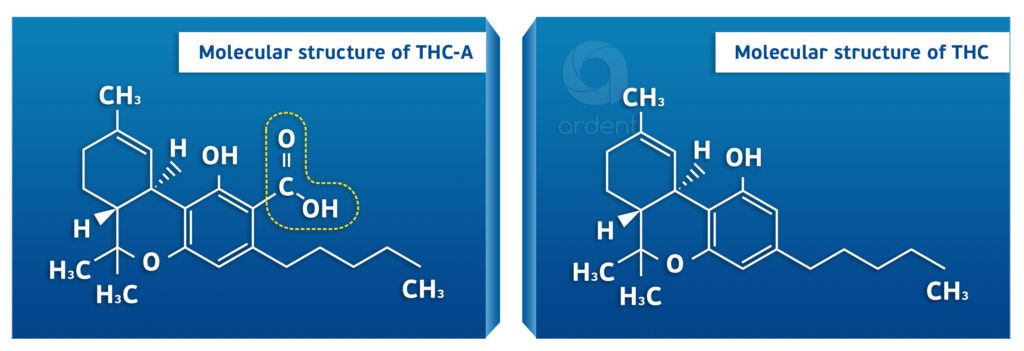
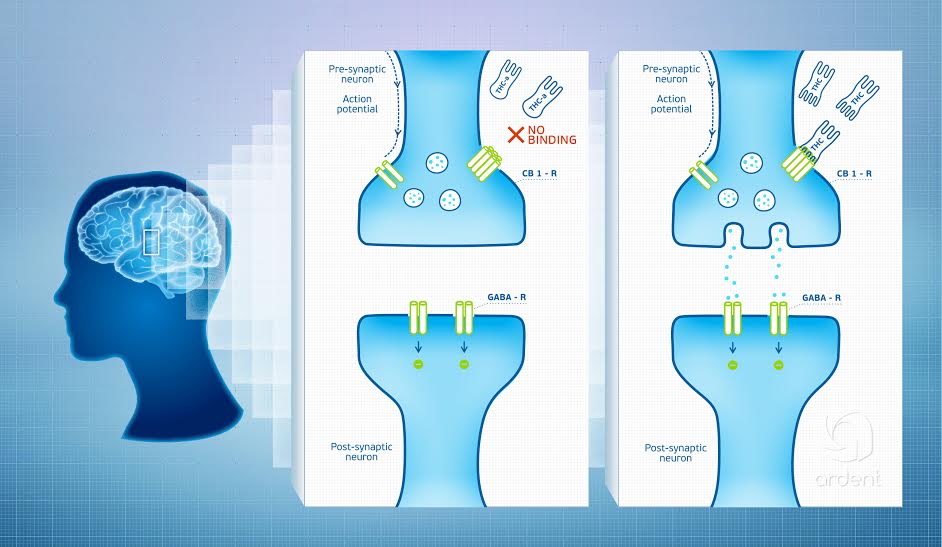
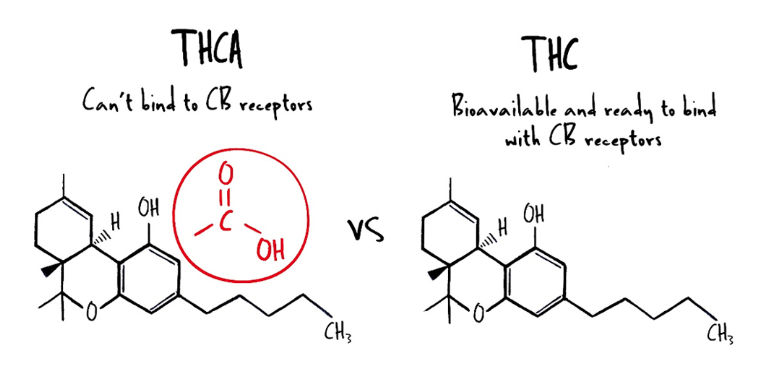
The acidic form of THC is tetrahydrocannabinolic acid (THCA). THC and THCA are identical in molecular structure,  except for a carboxyl group present in THCA that is not present in THC. This small difference is a big deal! The presence of this single carboxyl group prevents THCA from binding to cannabinoid receptors in the body’s brain and nervous system.

The presence of THCA in the plant explains why eating raw cannabis does not produce the therapeutic effect or “high” that a patient would expect from ingesting cannabis.  For inactive THCA to become bioavailable THC, able to properly bind with the body’s cannabinoid receptors, the carboxyl group must be removed from the THCA, hence the term “decarboxylation.”

What Does Decarb Mean?

Decarb means exactly the same as decarboxylation, it is simply the shortened version.

What causes decarboxylation?

The process of decarboxylation has two main catalysts: heat and time. Though partial decarboxylation can occur when simply allowing the raw plant material to dry, the results are minimal and provide a comparably lackluster experience. Instant decarboxylation can be achieved through smoking and vaporizing, making cannabinoids instantly available for absorption through inhalation, thanks to the extremely high temperatures present.

While decarboxylated cannabinoids in vapor form can easily be absorbed through our lungs via joints or vaping, many people desire alternative ways to reap the benefits of our favorite plant. Edibles, which are mixed or infused with decarboxylated cannabis, allow our bodies to absorb the THC and CBD through digestion.

For this reason, many people prefer to decarboxylate their material at slightly lower temperatures for a longer period of time. While this method is great for preserving the integrity of the original plant material, it is also key when trying to preserve terpenes, the flavorful oils found naturally on the marijuana plant. When terpenes evaporate at higher temperatures (around 300 degrees Fahrenheit) undesirable flavors or aromas may emerge, and unique strains of cannabis may lose the qualities that made you choose them in the first place.

Why decarb your cannabis before consuming?

It’s easy to see why decarbing your cannabis before consuming is so important. Decarbing at home provides you with great benefits:

  • You can stop buying marked-up dispensary products and make your own, exactly how you like it: joints, edibles, tinctures, and more!
  • Increase the potency of your plant material: stop wasting the product you do buy, so you can buy less of it in the long run.
  • Rest assured that you have the most effective, most potent dose for your needs.

How can I decarb my weed?

While decarboxylation may seem slightly confusing, the good news is, you can learn how to decarb weed yourself.

A few traditional methods include:

  • Toaster oven
  • Traditional oven
  • Crockpot

Proper decarb requires very precise and consistent temperatures and even heat distribution througout the material without exposure to oxygen. Traditional methods of decarboxylation are inconsistent and have been shown at best to get only 70% of available cannabinoids depending on the method used. Below we explain a few decarb challenges that most people face:

  • Finding the perfect temperature in an oven is challenging. Although some people claim it works, for decarb beginners getting it set up correctly takes time and precious cannabis that you don’t want to waste. Not to mention all the time spent adjusting baking sheets and messing with grinders to achieve an even decarb. You also don’t want to get burned by a hot oven!
  • Recent lab-testing shows that depending on your oven’s temperature and the time spent baking, you could be losing 54mg of THC per gram. Scale that up to an ounce and you could be wasting up to 1/4 or more of your stash – OUCH!
  • If you live with other people (or have neighbors), these methods can also stink up your home.

Today, you no longer have to use confusing methods to decarb marijuana, as the painstaking process has got much easier.

What can you do with decarbed cannabis?

Everyone has preferences when it comes to their decarboxylate cannabis, whether its the type of food, the ease of creation, flavors, or even consumption method they enjoy most.

Some people prefer to go old school: just straight old weed, smoked or vaped.

Many go the subtle route: hemp lotions, oral tinctures, and infused oils for application directly on the body.

Others enjoy being a little gourmet: infused caramels, indulgent desserts, sprinkled over homestyle recipes, and more!

Check out some of our favorite ways to prepare our decarb on our cannabis recipes page.

Best Decarb & Infusion Tool

Now that you understand the basics of decarboxylation, you are ready to start decarbing your cannabis. If you are looking for a simple way to get it done, we highly recommend you get your Nova today to make the process much easier.

👉 If interested, you can learn more about the NOVA here.
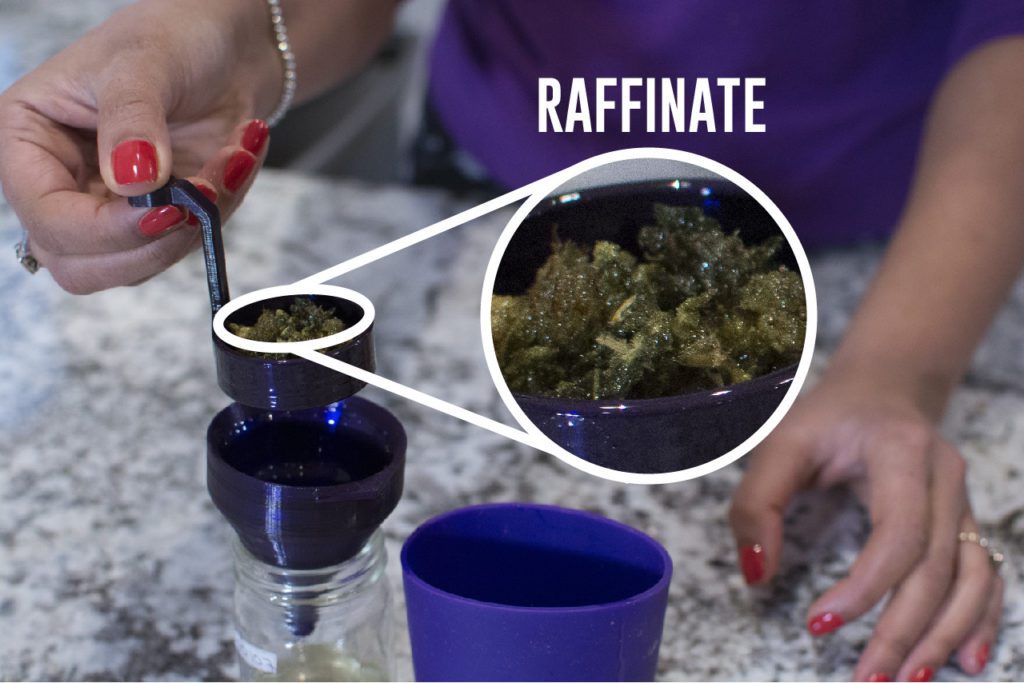
Questions? Please leave them below!

6 Decarboxylation Myths: Decarb Weed WITHOUT False “Facts”

Decarboxylation is an important yet often misunderstood aspect of cannabis consumption.

Decades of prohibition have allowed incomplete, inaccurate, or just plain wrong information about decarboxylation to spread like wildfire through the cannabis community–hurting not only medicinal patients but the cannabis movement as a whole.

To shed light on this topic and combat false data, we’ve compiled our clinical research on decarboxylation in order to address the most common decarboxylation myths.

Our aim here at Ardent is to expand access to and promote the acceptance of cannabis for wellness and health-related issues. To accomplish this, we are committed to investing in research to disperse the myths while presenting the facts in an easy to process way.

This guide covers the 6 most common decarboxylation myths – make sure to download the FREE ebook below to share with friends!

First, What is Decarboxylation?

What is decarboxylation you ask? The process for decarboxylation is a function of time, temperature, and atmosphere. Ultimately, the goal is to fully activate the THC in your cannabis for a much higher potency than traditional methods of consumption (i.e. smoking) are capable of.

However, it isn’t as simple as sticking bud into an oven, toaster, crockpot, lighting it on fire, or even using the sous vide decarb method. Fully activating THC without destroying valuable cannabinoids is a precise and scientific process.

When done correctly, you get more out of your cannabis and also have infinite ways to use it. This is exactly why we developed a decarboxylator that encapsulates this complicated process and transforms it into a reliable tool that is discreet and easy to use at home. It is flexible, efficient, and easy to use.

We realized pretty quickly that many years of misinformation still left a lot of patients confused about decarboxylation and the right way to approach cannabis in general. Myths about medicinal vs psychoactive effects, the basics of how even begin to decarboxylate cannabis, and the inherent potential of processed vs raw cannabis circulate through online resources and cloud the heart of the issue: providing an effective, simple process of creating decarb cannabis.

Over time we’ve researched some of the top questions we’ve encountered and compiled answers for our consumers into this handy guide, allowing us to shed some light on some of the most common decarb myths to get the truth once and for all.

1. Fresh and Cured Bud Need Different Decarboxylation Methods

This myth takes a few different forms. Most people think “fresh and cured bud decarb at different rates” or “fresh bud won’t decarb – you have to remove the moisture.” While some others think that, “curing the bud decarbs it anyways, so why do I need to do anything after that?”

Each of these suggestions are myths.

Fresh bud can easily be decarbed in the right conditions. It’s a good way to preserve more terpenes in the final product (think about the smell of fresh vs. dried flowers and other plant material).

In a controlled setting, decarbing fresh bud takes the same amount of time as decarbing cured bud. Most importantly, properly cured bud does not go through the full activation when it is going through the drying and curing process that is required for the active decarboxylation process.

In the examples above, notice that proper curing never leads to a significant decarb of dried and cured cannabis flower.

The fact is, no more more than 1% THC is observed, while the average range is 0-6% of total available THC was fully decarboxylated.

Only when cannabis has been improperly stored (in a mason jar, for example) and exposed to bright light or high temperatures does it become slightly more decarbed. It is also possible that the plant goes through a degradation process if exposed to extreme sunlight. The decarb is nowhere near complete, even in extreme circumstances of exposure.

Fact: All bud, both fresh and cured, needs to get decarbed to be active and bioavailable. Decarbing fresh and well-cured bud involves the same process.

2. You Can’t Get More than 70% Decarb Before You Start to Destroy THC

This myth comes from one of the most widely promoted and most inaccurate decarb fables that stem from this often referenced, yet largely inapplicable graph.

For many years the inhabitants of the internet have treated this graph as gospel. A quick review readily shows why it’s not a reliable source.

First, it’s the decarb of a hexane extract in an open container on a hot plate. With this material in these circumstances, indeed, you can’t get a full Decarb without destroying THC (tetrahydrocannabinolic acid). However, we have come a long way from the early ’90s. We have more knowledge about the process of decarboxylation, the chemical reactions that occur during the process, and how to create the perfect environment for more efficient decarb.

Fact: We can do better than relying on an inapplicable graph from the early ’90s. And we know it’s possible to get a full Decarb without degradation. Keep reading to learn more.

3. It’s Easy to Decarboxylate Using What’s in Your Kitchen

It’s hard out there for patients who want to start decarbing cannabis, but are immediately bombarded with an array of different opinions on the best way to decarb. Most patients end up getting it wrong (resulting in wasted cannabis) and never stop struggling to find detailed instructions on how to get it right.

Any of these sound familiar?

  • Crockpot for 3 hours… or, wait, is it crockpot for 12 hours?
  • Tied down pressure cookers
  • Monitoring ovens with laser thermometers
  • Endless baking trays and parchment paper

Really, how can a patient NOT be overwhelmed? In the end, not one of these methods allows patients to safely and reliably get the most from their cannabis, and it’s important to understand why.

Crock Pot AKA Water Bath Method

The crockpot is one of the most popular decarb methods. The idea behind using the crockpot/water bath method is that water boils at a constant temperature (212F) and provides better control than the fluctuations of the oven. Unfortunately, the comparatively low temperature of boiling water to other methods will never allow you to achieve a full, efficient decarb.

Decarboxylation at this temperature progresses slowly. Since decarboxylating is not a linear process (meaning that converting the tail end of THCA takes longer than the front end) we begin to see the degradation of plant material due to the excessive time exposed to heat.

Oven Decarb

Ovens aren’t designed for lab-grade precision heating. Temperatures fluctuate at an average of 10 degrees in either direction within an oven cavity.

For a process as sensitive as decarboxylation, these variations lead to either burning off cannabinoids or failing to fully activate. In either case, it’s a waste of valuable money and medicine.

Toaster Oven Decarb

Similar to the oven, the toaster oven’s lack of efficient temperature control is its downfall. Coupled with the appliance’s typical operation and the location of its heating elements, it can easily damage the bud or produce under-decarbed material. The toaster oven method makes it impossible to get reliable results consistently.

Nova Decarb

Equipped with advanced logic, dual sensor technology, and a hi-tech thermal blanket, Nova uses precision heating cycles to achieve fully decarboxylated cannabis without loss or degradation.

Fact: Kitchen appliances aren’t equipped to produce or maintain the conditions needed for full, reliable decarb, so we developed a device called the Nova to solve this problem.

4. Concentrate Decarboxylation is Different to Flower Decarb

(OR You Can Only Decarb Concentrate by Watching CO2 Bubbles Evaporate)

Concentrates that have been prepared professionally, extracted and purged under the right conditions have not been decarboxylated. They need to be properly activated before being ingested or used topically. The time and temperature parameters for the best flower decarb also applies to concentrates. As seen below, BHO extracts can become slightly more concentrated during decarb. This is likely from the evaporation of residual solvents and moisture.

Like with properly cured and stored cannabis flower, properly prepared and purged concentrates have undergone little or no decarboxylation, with less than 5% of total THC decarbed.

Fact: Decarbing concentrate involves the same science as decarbing flower.

5. You Should Grind Weed Before Decarbing

Do you grind weed before or after decarbing? We suggest that you don’t grind before. This myth arose as an attempt to provide more even heating and combat temperature fluctuations when using the oven for decarboxylation. With precision decarb, there’s no need to disturb the trichomes by using a grinder. The Nova’s thermal blanket permeates the buds evenly, and intact buds provide more options for use post-decarb and increase the longevity of the material. All Nova tests were performed using non-ground material.

Fact: There’s no need to grind cannabis before precision decarb, and leaving the trichomes intact can increase shelf life.

6. Fats and Alcohols are Required to Decarb Cannabis

There is no doubt alcohol and fats can help prepare and administer cannabis in certain circumstances, and we’ll get to that. But to start, there’s an overemphasis on the role of alcohol or fat extraction that leads to patients unnecessarily spending hours, days, and even weeks preparing their medicine. It’s easy to understand the origins of this myth because it is based on science but often misapplied.

Cannabis is indeed fat and alcohol soluble. However, it’s not water-soluble. This means that THC won’t seamlessly bind and mix with a water-based substance, unlike the way it does with fat and oils.

Somehow, this fact has been twisted into an insistence that patients need to extract into butter and oils or use an alcohol-based solvent. Unfortunately for patients, these processes are complicated, time-consuming, and-in the end-inaccurate. It much easier for patients to activate cannabis flowers or kief and use it directly.

It’s possible to bypass all the hassle and prevent waste, while still getting the full benefits of whole plant therapy.

Direct activation and infusion give so many more options on how cannabis can be used and allows patients to quickly create accurately dosed topicals, sublinguals, and edibles. The instant substitute for hours of extraction is unnecessary. Take your desired dose of decarbed flower or kief and mix it with 1/2tb of good fat like coconut oil and enjoy. You can also substitute butter if you prefer.

When mixed with the active cannabinoids, the purpose of the fat is to help with absorption during digestion or topical application. Simply mixing your decarbed product with oil is a useful way to incorporate fats when dosing with cannabis.

Patients quickly realize that (thanks to precise decarb) so little flower or kief is needed to achieve results that direct infusion becomes as easy as sprinkling pepper on an entrée or adding vitamin powder to a smoothie. For patients who want butter or oil to use for canna culinary purposes, a quick extraction after decarb is all it takes for maximum ease and potency.

Fact: Fats and alcohol aren’t needed in order to decarb or administer cannabis, but they can be useful to pair with activated cannabis to aid in digestion and absorption.

FAQs on Decarbing Weed

What Can You Do With Decarbed Marijuana?

Now that you understand the myths of decarbing. Let us guide you on what you can do with your decarbed cannabis. A proper decarb gives you a fully activated flower, meaning you can use it as-is for:

  • Sublinguals
  • Smoking
  • Edibles
  • Tinctures
  • THC Oils
  • Pain salves

These are just a few options! If you want more ideas, read our article on our favorite ways to consume marijuana after decarb.

Don’t waste another ounce on a partial decarb. Get full activation with the Ardent FX or NOVA today.

About Ardent Founder

  • Shanel A. Lindsay is founder of Ardent Cannabis and the creator of the Ardent house of products including the Nova decarboxylator and the FX all-in-one portable cannabis kitchen. She also helped write the Massachusetts adult-use cannabis laws and is the Co-Founder of MassEON (Equal Opportunities Now.)
  • She is certain that with increased education, research, and reliable clinical data, patients and doctors—even those who have not previously considered cannabis as an option—will discover it is a legitimate, viable, and safe treatment.

A special thanks to our testing provider, MCR Labs, who performed the HPLC testing outlined in this guide at their ISO accredited cannabis testing facility in Framingham, MA.

Do You Need To Decarboxylate Cannabis BEFORE You Infuse It?

Everyone knows how much we love decarboxylation! What some people don’t know is that we also have a healthy obsession with cannabis infusion.

We get a lot of questions about infusing cannabis, especially with all the misinformation out there. But the overarching one we get – hands-down – is “Do I have to decarb before I infuse?” You’ve likely heard this one in it’s more common form of “I don’t need to infuse because decarb and infusion happen at the same time!”

If you don’t decarb before infusing, your end product will be only approximately 10-25% activated.

This confusion seems to be especially present when people are using other cannabis devices and are wondering if, for example, they need to decarb before using the magical butter machine, or if they always need to decarb before making edibles. To answer both of those, yes you do need to decarb your cannabis before infusing!

It seems logical to think that heating a cannabis and oil mixture could accomplish both decarboxylation and infusion at the same time. So much so that even some of us in the Ardent team were guilty of believing this untruth earlier in our cannabis journeys.

It is important to decarb before you infuse if you want to have an active oil or butter that has the maximum amount of CBD or THC. If instead you are looking for a CBDA or THCA rich product, you don’t need to decarb before you infuse.

To get the maximum THC or CBD in your infusion, you always want to start with fully decarboxylated cannabis.

To get the maximum THC or CBD in your infusion, you always want to start with fully decarboxylated cannabis. If you don’t, the oil or butter will still be pulling the cannabinoids from the plant during infusion, BUT most of those them will still be stuck in their acid precursor forms, THCA or CBDA.

Simply put, if you decarb first you will have a fully active THC or CBD product .infusion. If you don’t decarb before infusing, your end product will be only approximately 10-25% activated.

If you’re a weed nerd like us, then check out the science below to see how we know non-decarbed flower doesn’t efficiently decarb during infusion.

The Science Behind The Conclusion – Testing Results First, Explanation below:

We took two grams of Velvet Purp. One gram was decarbed and then infused in the Nova. The second gram was just placed in the oil and infused in the Nova, without first decarbing.

This Velvet Purp strain has a max THC of over 17%, which means the maximum THC that can be present in this plant after a perfect decarb is approx 170 mg THC per 1 gram. In this strain before decarb, in the first test result, you can see there is almost no active THC present, only THCA, the acid precursor to THC. In the second result, after the bud undergoes precision decarboxylation in the Nova, each gram has just over 17% THC, with 172 mg of THC per gram.

*All infusion samples are in a 1 oz serving size.

When we took the decarbed flower, mixed it with coconut oil and put it through a second cycle in the Nova to infuse, the result was fully activated and potent oil. Using 1 gram of decarbed flower in the oil, we were able to get 166.98 mg of active THC in each ounce of coconut oil, that’s an over 96% infusion rate of the active THC.

On the other hand, infusing 1 gram of Velvet Purp flower into one ounce of coconut oil without decarbing first results in a good infusion rate BUT NOT a good decarboxylation rate. You can see in the final oil, there is only 24.38 mg of active THC per ounce of oil. The vast majority of it is still in the THCA acid form (over 165.85 mg per ounce of oil). That means that only 13% of the cannabinoids in the oil have been decarbed, with 87% still in the acid form.

Item Name *Sample TypeTHCTHCA CBNCBGATHCVCBCTotalMax THC
F00016Control0.60%19.00%0.30%19.90%17.26%
F00004Decarbed Flower17.20%0.40%0.20%0.20%0.10%0.50%18.60%17.55%
F00049Full Decarb Before Infusion154.79mg5.39mg1.13mg1.98mg3.69mg166.98mg
F00077No Decarb Before Infusion24.38 mg165.85 mg4.25mg194.48 mg

So what did we learn? Getting a potent, activated infusion requires decarboxylation before infusing cannabis. And if THCA or CBDA is your jam, it’s as easy as not decarbing before infusing to keep those acid-form cannabinoids around.

Already know everything there is to know about decarb, but are looking for knowledge on infusion and measuring THC content? Yep, we’ve got that, as well as a guide on how to decarboxylate cannabis.

Need some ideas for weed recipes or even some everything-but-the-bud infusion kits to get it really cooking? We’ve got those too.

Know it all already? Share the wealth by sharing your thoughts and photos on our social – we love hearing from you!

Perfect Decarb and Infusion in One

Activate and Infuse your THC with the Nova Lift Home Decarboxylator.

Questions? Comments?

How to Decarboxylate Cannabis At Home

Many cannabis medical patients and consumers have their first experience with decarboxylation when they make their first edibles or topicals. Whether they use an oven, a crockpot, or even a double-boiler, these at-home activations rarely reach a decarboxylation rate of over 70%. The FX and Nova produce complete decarboxylation in three easy steps.

Are you new to the science of decarboxylation? Check-out our online guide to decarboxylation for an easy-to-read breakdown of all the basics.

Step One – Prepare Your Cannabis

You can activate any cannabis product in the Nova, whether you have flower, kief, or any other concentrate. Dense flower composed of solid nugs can be placed into the device as-is, while powdery ‘shakey’ flower, kief, and other related concentrates should be placed on parchment paper or a silicone container to keep them from sticking.

ardent nova next to jar of cannabis

Step Two – Prepare the Decarb Machine

Slide the container back into the device and place the purple silicone lid on top. The lid prevents any oxygen from entering the container while also allowing any pressure to escape. Place the outer black lid on tightly. It does not ‘lock,” but does click into place. As long as the lid is pushed down securely, you are good to go.

pour cannabis into nova decarboxylator

Step Three – Activate The Cannabis

The Nova’s user interface is easy to understand. When you close the lid, the light on the Nova will be green. This means that the device is ready for use. Press the button located on the front of the Nova to begin the decarboxylation process. The green light will immediately turn red. This means that the decarb cycle has begun.

activate nova to activate cannabis

The entire cycle takes from an hour and a half to two hours, with the sensors and algorithm working in conjunction to create precise, even heating cycles to fully decarboxylate the material. When the process is complete, the red light will again turn green, signaling that the material is now ready for use. When you remove material from the Nova you will notice that it is darker than it was previously. The color change is very noticeable when decarbing flower and kief, a bit less so when dealing with extracted concentrates.

Before Decarb

before decarboxylated marijuana

After Decarb

after marijuana is decarboxylated

Why Decarb?

For many cannabis patients, properly decarbing means getting their life back. The ability to easily and accurately improve the quality of their medicine not only reduces their medical expenses, but also frees them from the tedium of planning their days around their doses. Decarbing allows medical cannabis patients to turn any food product into highly potent medicine without being overwhelmed by the taste and smell of cannabis. The perks don’t end there.

Step 4 – Use Your Decarbed Cannabis

We spend a lot time answering questions from current and future customers. Throughout this process, we’ve found that a lot of myths are still assumed to be facts. These questions encourage us to continue our research, and to constantly increase our efforts to educate consumers. One of the most commonly misunderstood subjects surrounding decarboxylation is what to do with decarbed material once the process is complete.

Through community discussion, we discovered that plenty of Nova users still think it’s a requirement to infuse their decarbed material into a butter or an oil. Butters and oils are easier than ever to make – see more on that below – but you should know that when the decarb process is complete, you can simply take a small amount of this material and use in these ways:
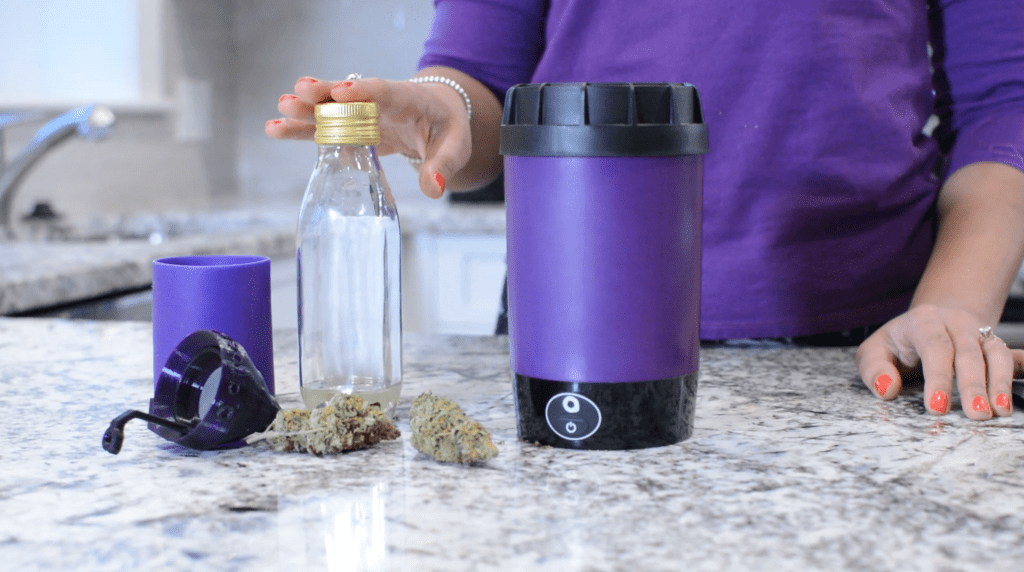
Eat It

No additional treatment means that you can choose a delivery method as simple as grinding a small amount of decarboxylated flower into a vinaigrette before you put it on your salad. The possibilities for infused food are endless. There is no infusion or treatment required because the THC has been activated and is ready to be absorbed. Being able to use such a small amount of material allows you to avoid tasting the cannabis in your food because you can use a lower decarbed weed dosage without compromising its potency. Since processing the decarbed cannabis further (especially with old school infusion methods) can result in more of a “weedy” taste, people who don’t like that taste will particularly enjoy this method.

Weed Cooking

Use it Sublingually

Sublingual use refers to placing the cannabis under your tongue and letting it absorb, ideally for at least a few minutes. Sublingual delivery has gained popularity, especially among medical patients due to its ease of dosing (especially microdosing) and discretion, not to mention versatility. The onset of effects are usually between 15 minutes and 30 minutes after consumption, and can last anywhere from 3-6 hours. Swallowing the cannabis will allow whatever wasn’t absorbed sublingually to be ingested like any other edible and the onset will be stronger and last longer. Using the Nova doing to decarbing you can know and control the amount of mgs you are administering, whether you create a tincture or use the direct route. Want sublingual effects without any work? Mix a (very) small amount of your decarbed flower with a drop of coconut oil and hold under your tongue. Yup, it’s really that easy!

Tinctures Cannabis

Apply It

Cannabis flower, extract, and concentrates are ready for use in any topical as soon as they complete the decarb process in the Nova. Cannabis topicals have gone from a little-known use of our beautiful plant to an increasingly mainstream product. CBD infused lotions are even beginning to show up at your local pharmacy! Lotions and salves are the most common topicals, but the options are as broad as your imagination. Feel refreshed by your end of the day toner? You can medicate that, too 🙂 Topicals are useful for relieving everything from neuropathic and fibromyalgia pain, acne and dry skin to arthritis and so, so many more. Many topicals can be used anytime, anywhere since they don’t cause a “high” effect like other delivery methods. You may depend on topicals for symptom reduction or they may be a part of your beauty routine. No matter which category you fall into you, and whatever your preferences, making topicals with your Nova is as easy as adding infused oil or decarbed cannabis concentrates to a non-cannabis lotion you already love.

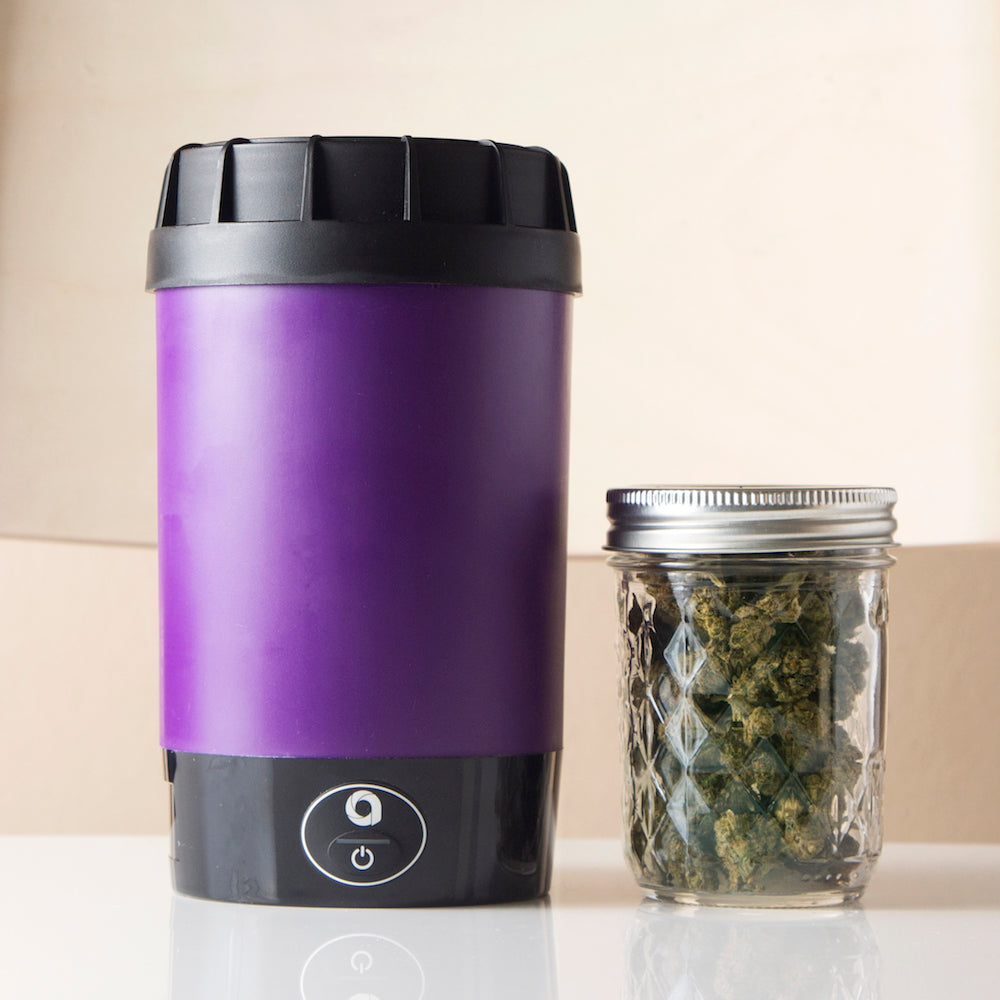
Weed Skin Care

Smoke or Vaporize it

I know what you’re thinking, why would I need to decarb my cannabis if I’ll be smoking or vaping it? Doesn’t it get decarbed during the smoking and vaping? While it is true that smoking and vaping perform some decarb during the process, they aren’t efficient and there is waste. A joint is a great way to understand this concept: While the smoke is caused by the combustion (or flame) you use to light the joint, nearly all of the cannabinoids that come into contact with the combustion will simply burn off or quickly turn to ash. Each time you take a puff of your joint, you are pulling the hot air through the rolled cannabis.

perfect-rolled-blunt

That hot air is vaporizing the cannabinoids in the joint and some decarb is occuring as well, but the time it takes you to smoke the joint is much faster than the full decarb process can be completed. While you still may feel a strong effect, you only consumed a fraction of what that joint could have given you. On the other hand, smoking a joint filled with decarbed flower from your Nova means all that the hot air needs to do is pull the already activated THC off the plant matter, and into the smoke you inhale. Whatever touches the flame will still burn off, but the additional mg’s of activated THC in your smoke will give you a stronger, more effective joint. Combustion on already decarbed flower will also create more CBN, which is very sedative. Many patients who are seeking a deep relaxation effect (for example patients suffering from PTSD or insomnia) prefer to decarb before smoking to both maximize THC and increase the CBN intake.

The same principles apply to vaporizing, which means with decarbed flower, you will get more yield while vaporizing. You can also vape at the lowest possible temps while still experiencing a strong effect.

Infuse It

Many people still want or need to infuse their cannabinoids into oil or butter. This is particularly common with patients or clients who use their decarbed material to make beauty products and topicals, certain edibles, and tinctures. Material decarbed in the Nova is primed to infuse into any oil you’ve chosen. There are many myths and theories about infusion and we’ve received so many questions about the best way to infuse after decarbing. When we approach an issue at Ardent, we always ask ourselves, “ Do we think this is true, or do we know this is true?” Patients and consumers deserve information based in science and fact, and we are proud to bring cannabis science to light. So we got hard to work on experiments and testing to get to the root of the infusion puzzle.

facial-toners-cannabis

As a result, we are also thrilled to announce that Nova is an incredibly efficient infusion device! You can easily extract over 80% of the THC in your decarbed flower right in the oil; over 90% with the right oils. It’s simple to make high dose infusions with a small amount of flower. Because there is no cannabis or oil minimum requirements in the Nova, you can make as much or as little as you and your family and friends need. The future of cannabis infusion lets you spend more time enjoying the fruits (or brownies 🙂 of your labor! For more about our big reveal and to see infusion testing results, check out our infusion guide.